From apartment fires and lithium-ion battery incidents to industrial machinery, warehouses and stadiums, September’s 47 reported sprinkler saves demonstrate just how quickly automatic fire suppression can change the outcome of a fire.


Posted on
October 6, 2026
By
Every month, the International Fire Suppression Alliance (IFSA) records real-world incidents where automatic sprinkler systems have controlled or extinguished fires. September 2026 was no exception, with 47 documented sprinkler saves across a wide range of occupancies and countries.
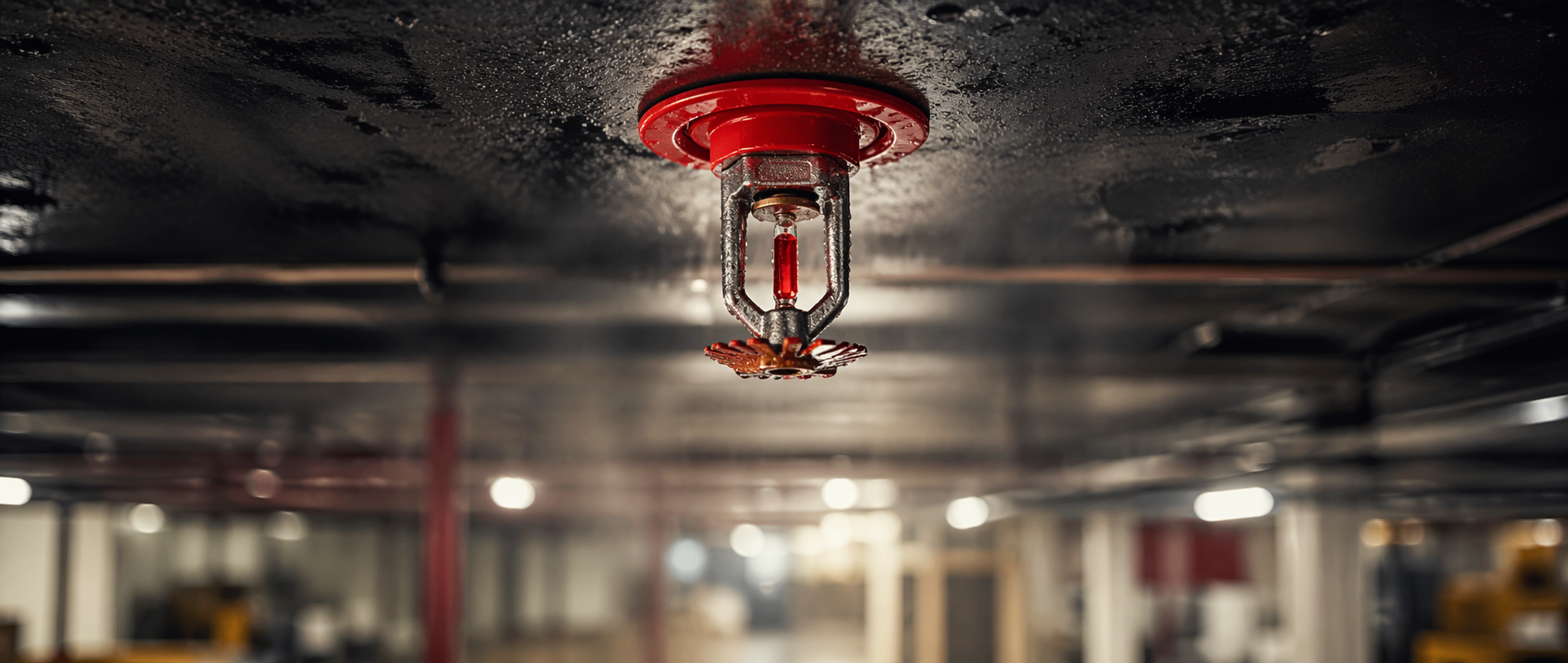
The incidents provide a useful reminder that sprinklers are not simply a compliance measure. When properly designed, installed and maintained, they are an active layer of protection that can control a developing fire at or close to its point of origin, giving occupants more time to escape and firefighters a far more manageable incident.
Residential properties once again accounted for the largest proportion of the reported saves, with 21 of the 47 incidents – almost 45% of the month's total.
The incidents included apartment fires, student accommodation, assisted living facilities and other residential buildings. The causes and circumstances varied considerably, but the outcome was often similar: sprinklers prevented a relatively small fire from becoming a much larger one.
In Cedar Rapids, Iowa, for example, a bedroom mattress caught fire in an apartment. The sprinkler activated and contained the fire to the mattress. In Portland, Oregon, a sprinkler system extinguished an apartment fire before firefighters arrived.
There were also several incidents where sprinklers helped protect residents from potentially serious fires. In Hanoi, a ninth-floor apartment fire activated the sprinkler system while a woman and two children were rescued. In Fort Wayne, Indiana, sprinklers controlled a fire following an explosion at an assisted living facility, allowing 28 people to self-evacuate before firefighters arrived.
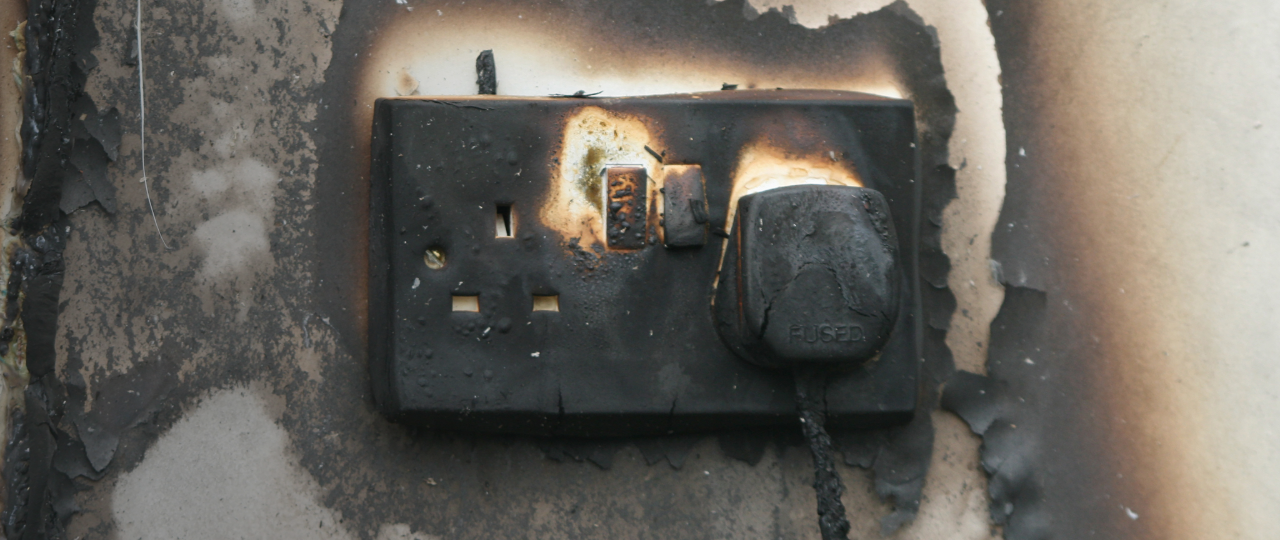
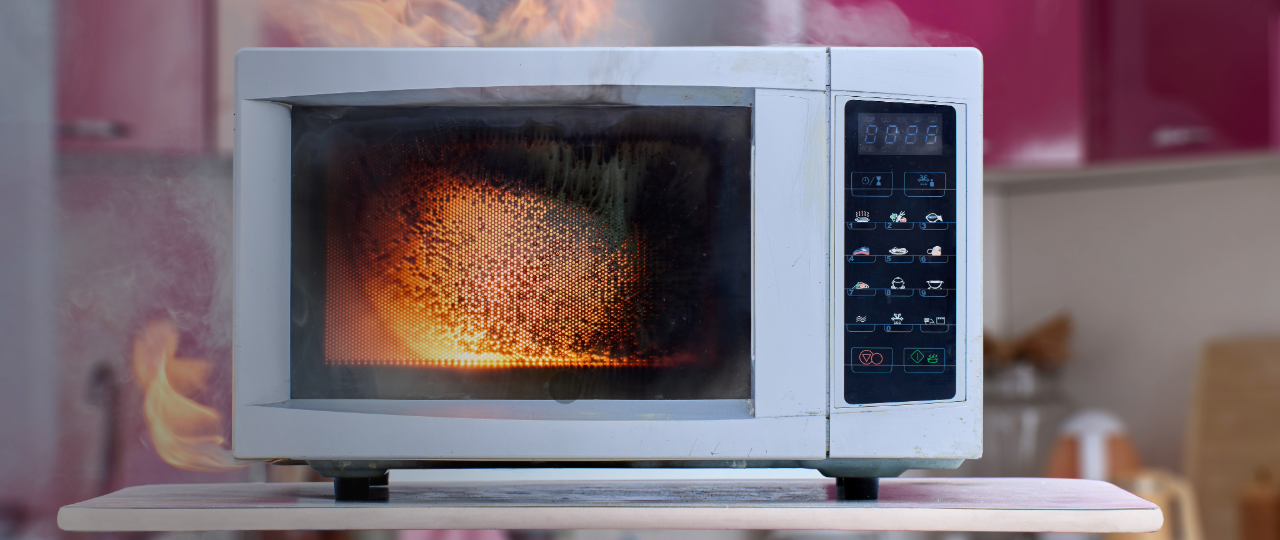
Cooking fires, discarded smoking materials, electrical faults and equipment failures all featured among the residential incidents.
The message is straightforward: fires in homes can develop rapidly, but a sprinkler system can intervene before the fire has the opportunity to spread beyond the room or item where it started.
The second-largest category was Factory and Industrial, with nine reported saves – around 19% of the month's incidents.
These incidents are particularly important because industrial fires can involve machinery, manufacturing processes, combustible materials, waste, vehicles and other hazards capable of producing significant fire growth.
September included several good examples.
At a furniture factory in Shelbyville, Indiana, sprinklers helped contain a fire. A machinery fire at a factory in Rockland, Maine was also contained by the sprinkler system, while another machinery fire at a Graniteville, South Carolina plant was brought under control with the assistance of sprinklers and firefighters.
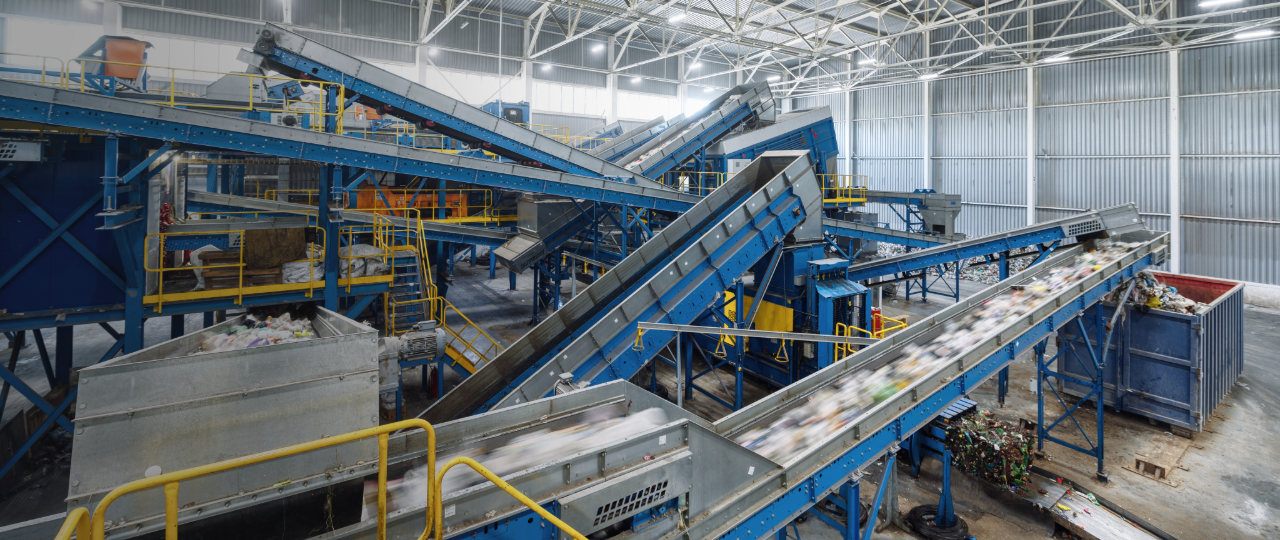
At a waste management facility in Villalobón, Spain, sprinklers and extinguishers held a fire in place until the fire department arrived.
Perhaps one of the clearest examples came from Howell, Michigan, where 12 flowing industrial deluge sprinkler heads confined and extinguished a fire involving an industrial paint booth.
There was also an after-hours fire involving a propane forklift in Farmington, New York. The sprinkler system contained the fire to the forklift itself.
These examples demonstrate an important benefit of automatic suppression in industrial environments: limiting the fire can also mean limiting the damage to critical equipment, stock and operational areas.
The value of sprinkler protection is not measured solely by whether a building survives.
For a business, the ability to resume operations quickly can be just as important.
One September incident in Monee, Illinois, involved an industrial fire that was extinguished by automatic sprinklers. The business was able to resume operations after smoke removal, with no injuries reported.
Another incident at a commercial facility in Lower Salford Township, Pennsylvania, demonstrates just how quickly a sprinkler system can make a difference. The sprinklers activated and helped contain the fire before firefighters arrived; the fire department reported arriving at 4:02 and having the fire out by 4:10.
In Lady Lake, Florida, sprinklers at a dental office extinguished a fire caused by an equipment malfunction before the fire department arrived.
These are exactly the kinds of outcomes that can make the difference between a relatively contained incident and a prolonged business interruption.
September also included five storage-related sprinkler saves, including fires involving a high-bay warehouse, a disposal company's container, a bagel shop storage room, a jet ski and an underground parking garage.
At a high-bay warehouse in Oberhausen-Bermensfeld, Germany, a pallet fire activated the sprinkler system. Firefighters subsequently completed the extinguishment, but there were no injuries.
In Fresno, California, a single sprinkler head contained a gas-powered car fire in an underground parking garage while smoke filled the area.
These incidents highlight why the design of suppression systems needs to reflect the hazards and configuration of the building. Storage arrangements, ceiling heights, fuel loads, vehicle risks and the nature of the materials being stored can all influence sprinkler system design.
The September records also included five Assembly occupancy incidents, including fires at a church, sports stadiums, a business premises and a casino.
At Texas A&M's Kyle Field, an accidental pyrotechnic flame in a stadium tunnel activated the sprinkler system and prevented visible structural damage. At Miami's Inter Miami CF Stadium, a fire in a telecommunications room was extinguished by the building's sprinkler system and contained to that room.
There was also a suspected arson attack at a business in Cecil Hills, Sydney, where the sprinkler system extinguished the fire before firefighters arrived.
In Villingen-Schwenningen, Germany, a casino fire activated the sprinkler system before firefighters arrived to extinguish the remainder of the fire.
In buildings where large numbers of people may be present, early fire control is especially important. Sprinklers can reduce the speed at which a fire develops while alarms and evacuation procedures take effect.
September also provided another reminder of the changing fire risks associated with modern technology.
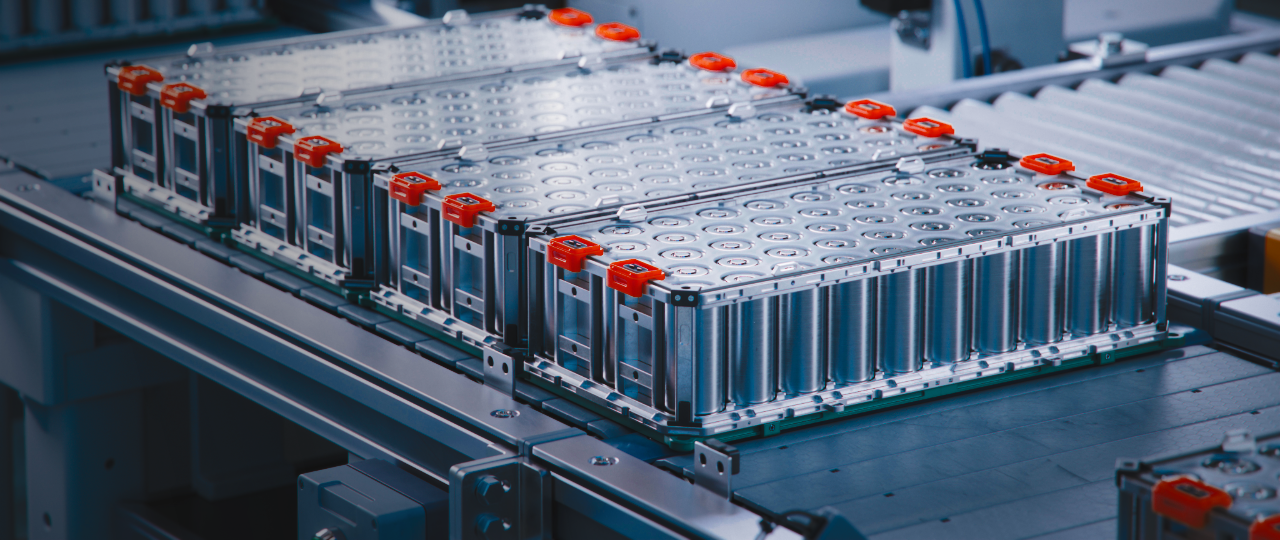
At a hotel in Kent, Washington, a lithium-ion battery charger fire activated the building's sprinklers. The system slowed the fire until firefighters arrived and extinguished it.
Lithium-ion batteries are increasingly present in buildings through mobile devices, e-bikes, power tools, vehicles and other equipment. As their use grows, so too does the importance of considering the associated fire risks as part of an effective fire protection strategy.
This doesn't mean avoiding technologies that support sustainability and electrification. It means recognising that new technologies can introduce new hazards – and ensuring that buildings are appropriately protected against them.
Residential - 21 - 44.7%
Factory & Industrial - 9 - 19.1%
Business - 5 - 10.6%
Storage - 5 - 10.6%
Assembly - 5 - 10.6%
Mercantile - 1 - 2.1%
Institutional - 1 - 2.1%
The figures are based on the 47 incidents recorded by IFSA for September 2026.
Although the incidents varied considerably, one theme appeared repeatedly throughout September's records:
The earlier a fire is controlled, the smaller the consequences are likely to be.
Again and again, the IFSA reports describe fires being contained to a single room, a single piece of equipment, a single vehicle or even a single item.
That includes a mattress in an apartment, a forklift in an industrial premises, a car in a parking garage, machinery in a factory and a rotisserie at a Walmart store.
In several cases, sprinklers extinguished the fire before firefighters arrived. In others, they held the fire in check until the emergency services could complete the job.
That distinction is important. Automatic fire sprinklers aren't intended to replace the fire and rescue service. They are designed to control the fire early, helping to prevent escalation while emergency crews are on their way.
The September 2026 IFSA records offer another compelling collection of real-world examples.
They show sprinklers protecting homes and apartments, safeguarding industrial equipment, controlling fires in warehouses and commercial premises, and providing an additional layer of protection in buildings occupied by large numbers of people.
They also demonstrate that sprinkler protection isn't about one particular type of fire. The incidents involved cooking, electrical faults, machinery, waste, vehicles, lithium-ion batteries, smoking materials, arson and other causes.
The common factor was the presence of an automatic suppression system capable of responding when the fire developed.
Forty-seven incidents in one month provide 47 more reasons to recognise the value of automatic fire suppression.
For building owners, developers, designers and businesses, the lesson is clear: effective sprinkler protection can mean the difference between a fire that becomes a major loss and one that is brought under control before the situation escalates.
Every month, the International Fire Suppression Alliance (IFSA) records real-world incidents where automatic sprinkler systems have controlled or extinguished fires. September 2026 was no exception, with 47 documented sprinkler saves across a wide range of occupancies and countries.
The incidents provide a useful reminder that sprinklers are not simply a compliance measure. When properly designed, installed and maintained, they are an active layer of protection that can control a developing fire at or close to its point of origin, giving occupants more time to escape and firefighters a far more manageable incident.
Residential properties once again accounted for the largest proportion of the reported saves, with 21 of the 47 incidents – almost 45% of the month's total.
The incidents included apartment fires, student accommodation, assisted living facilities and other residential buildings. The causes and circumstances varied considerably, but the outcome was often similar: sprinklers prevented a relatively small fire from becoming a much larger one.
In Cedar Rapids, Iowa, for example, a bedroom mattress caught fire in an apartment. The sprinkler activated and contained the fire to the mattress. In Portland, Oregon, a sprinkler system extinguished an apartment fire before firefighters arrived.
There were also several incidents where sprinklers helped protect residents from potentially serious fires. In Hanoi, a ninth-floor apartment fire activated the sprinkler system while a woman and two children were rescued. In Fort Wayne, Indiana, sprinklers controlled a fire following an explosion at an assisted living facility, allowing 28 people to self-evacuate before firefighters arrived.
Cooking fires, discarded smoking materials, electrical faults and equipment failures all featured among the residential incidents.
The message is straightforward: fires in homes can develop rapidly, but a sprinkler system can intervene before the fire has the opportunity to spread beyond the room or item where it started.
The second-largest category was Factory and Industrial, with nine reported saves – around 19% of the month's incidents.
These incidents are particularly important because industrial fires can involve machinery, manufacturing processes, combustible materials, waste, vehicles and other hazards capable of producing significant fire growth.
September included several good examples.
At a furniture factory in Shelbyville, Indiana, sprinklers helped contain a fire. A machinery fire at a factory in Rockland, Maine was also contained by the sprinkler system, while another machinery fire at a Graniteville, South Carolina plant was brought under control with the assistance of sprinklers and firefighters.
At a waste management facility in Villalobón, Spain, sprinklers and extinguishers held a fire in place until the fire department arrived.
Perhaps one of the clearest examples came from Howell, Michigan, where 12 flowing industrial deluge sprinkler heads confined and extinguished a fire involving an industrial paint booth.
There was also an after-hours fire involving a propane forklift in Farmington, New York. The sprinkler system contained the fire to the forklift itself.
These examples demonstrate an important benefit of automatic suppression in industrial environments: limiting the fire can also mean limiting the damage to critical equipment, stock and operational areas.
The value of sprinkler protection is not measured solely by whether a building survives.
For a business, the ability to resume operations quickly can be just as important.
One September incident in Monee, Illinois, involved an industrial fire that was extinguished by automatic sprinklers. The business was able to resume operations after smoke removal, with no injuries reported.
Another incident at a commercial facility in Lower Salford Township, Pennsylvania, demonstrates just how quickly a sprinkler system can make a difference. The sprinklers activated and helped contain the fire before firefighters arrived; the fire department reported arriving at 4:02 and having the fire out by 4:10.
In Lady Lake, Florida, sprinklers at a dental office extinguished a fire caused by an equipment malfunction before the fire department arrived.
These are exactly the kinds of outcomes that can make the difference between a relatively contained incident and a prolonged business interruption.
September also included five storage-related sprinkler saves, including fires involving a high-bay warehouse, a disposal company's container, a bagel shop storage room, a jet ski and an underground parking garage.
At a high-bay warehouse in Oberhausen-Bermensfeld, Germany, a pallet fire activated the sprinkler system. Firefighters subsequently completed the extinguishment, but there were no injuries.
In Fresno, California, a single sprinkler head contained a gas-powered car fire in an underground parking garage while smoke filled the area.
These incidents highlight why the design of suppression systems needs to reflect the hazards and configuration of the building. Storage arrangements, ceiling heights, fuel loads, vehicle risks and the nature of the materials being stored can all influence sprinkler system design.
The September records also included five Assembly occupancy incidents, including fires at a church, sports stadiums, a business premises and a casino.
At Texas A&M's Kyle Field, an accidental pyrotechnic flame in a stadium tunnel activated the sprinkler system and prevented visible structural damage. At Miami's Inter Miami CF Stadium, a fire in a telecommunications room was extinguished by the building's sprinkler system and contained to that room.
There was also a suspected arson attack at a business in Cecil Hills, Sydney, where the sprinkler system extinguished the fire before firefighters arrived.
In Villingen-Schwenningen, Germany, a casino fire activated the sprinkler system before firefighters arrived to extinguish the remainder of the fire.
In buildings where large numbers of people may be present, early fire control is especially important. Sprinklers can reduce the speed at which a fire develops while alarms and evacuation procedures take effect.
September also provided another reminder of the changing fire risks associated with modern technology.
At a hotel in Kent, Washington, a lithium-ion battery charger fire activated the building's sprinklers. The system slowed the fire until firefighters arrived and extinguished it.
Lithium-ion batteries are increasingly present in buildings through mobile devices, e-bikes, power tools, vehicles and other equipment. As their use grows, so too does the importance of considering the associated fire risks as part of an effective fire protection strategy.
This doesn't mean avoiding technologies that support sustainability and electrification. It means recognising that new technologies can introduce new hazards – and ensuring that buildings are appropriately protected against them.
Residential - 21 - 44.7%
Factory & Industrial - 9 - 19.1%
Business - 5 - 10.6%
Storage - 5 - 10.6%
Assembly - 5 - 10.6%
Mercantile - 1 - 2.1%
Institutional - 1 - 2.1%
The figures are based on the 47 incidents recorded by IFSA for September 2026.
Although the incidents varied considerably, one theme appeared repeatedly throughout September's records:
The earlier a fire is controlled, the smaller the consequences are likely to be.
Again and again, the IFSA reports describe fires being contained to a single room, a single piece of equipment, a single vehicle or even a single item.
That includes a mattress in an apartment, a forklift in an industrial premises, a car in a parking garage, machinery in a factory and a rotisserie at a Walmart store.
In several cases, sprinklers extinguished the fire before firefighters arrived. In others, they held the fire in check until the emergency services could complete the job.
That distinction is important. Automatic fire sprinklers aren't intended to replace the fire and rescue service. They are designed to control the fire early, helping to prevent escalation while emergency crews are on their way.
The September 2026 IFSA records offer another compelling collection of real-world examples.
They show sprinklers protecting homes and apartments, safeguarding industrial equipment, controlling fires in warehouses and commercial premises, and providing an additional layer of protection in buildings occupied by large numbers of people.
They also demonstrate that sprinkler protection isn't about one particular type of fire. The incidents involved cooking, electrical faults, machinery, waste, vehicles, lithium-ion batteries, smoking materials, arson and other causes.
The common factor was the presence of an automatic suppression system capable of responding when the fire developed.
Forty-seven incidents in one month provide 47 more reasons to recognise the value of automatic fire suppression.
For building owners, developers, designers and businesses, the lesson is clear: effective sprinkler protection can mean the difference between a fire that becomes a major loss and one that is brought under control before the situation escalates.





.png)


















.png)


.png)


.png)


.svg)