Most commercial fires are preventable—discover the common causes and how sprinklers protect large buildings.


Posted on
January 19, 2026
By
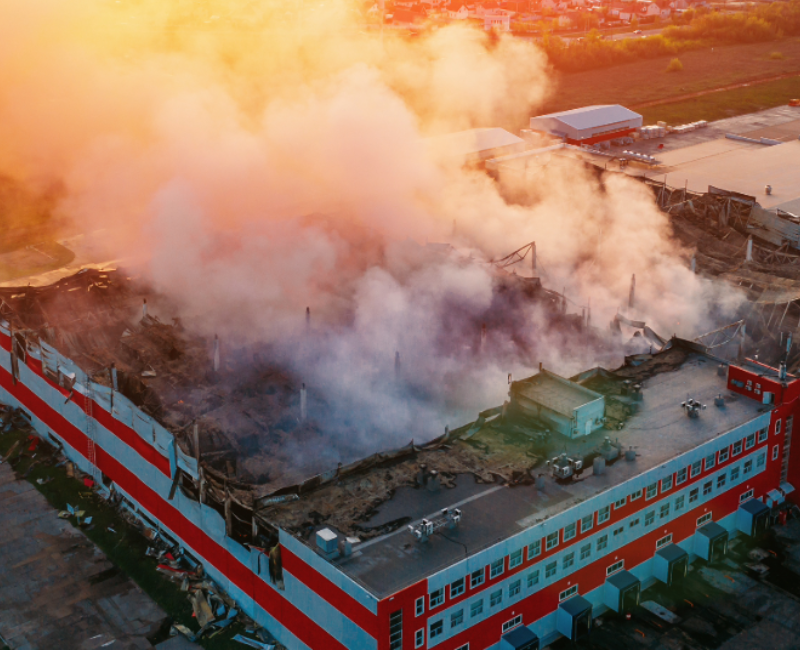
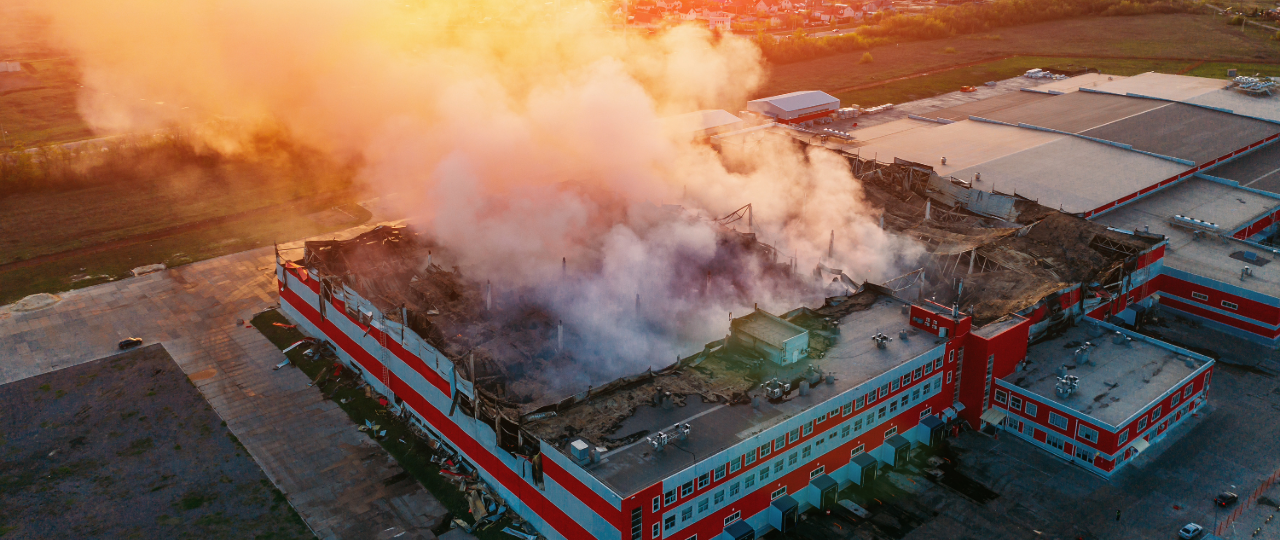
Fires in commercial buildings remain a serious risk across the UK, causing injuries, business disruption and millions of pounds in damage each year. Warehouses, offices, factories and large commercial premises all face unique fire hazards — but the causes of most fires are well known and largely preventable.
Understanding the most common causes of fires in commercial buildings helps duty holders, facilities managers and business owners take practical steps to reduce risk and improve overall fire safety.
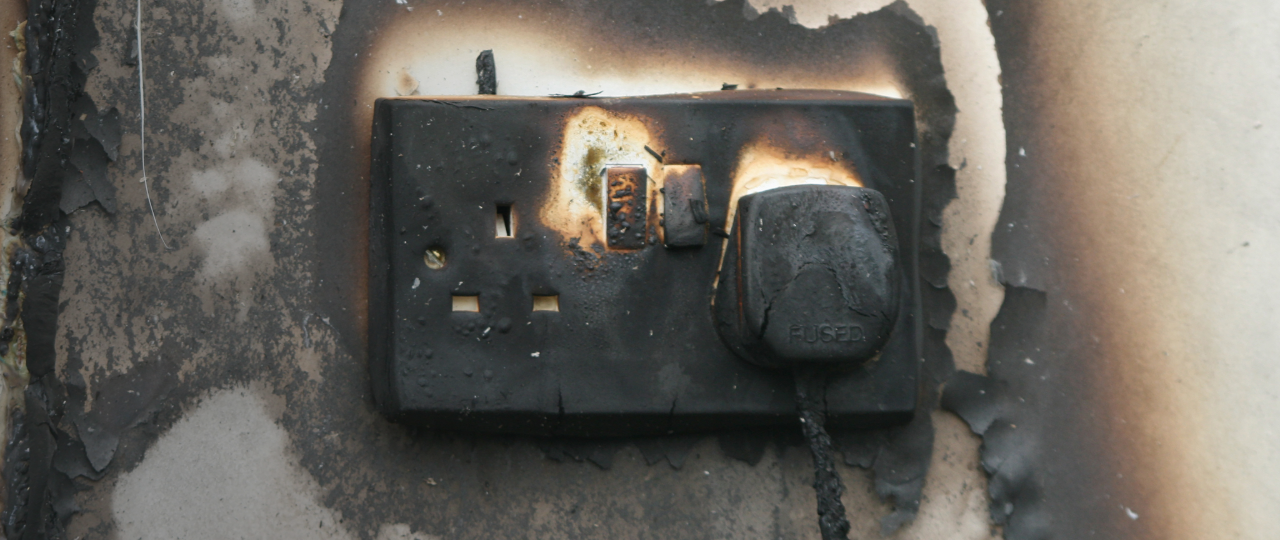
Electrical faults are one of the leading causes of fires in UK commercial buildings. Poorly maintained electrical systems can overheat, spark or fail without warning.
Common electrical fire risks include:
Regular electrical inspections, PAT testing and compliance with UK standards are essential to reducing electrical fire risk.
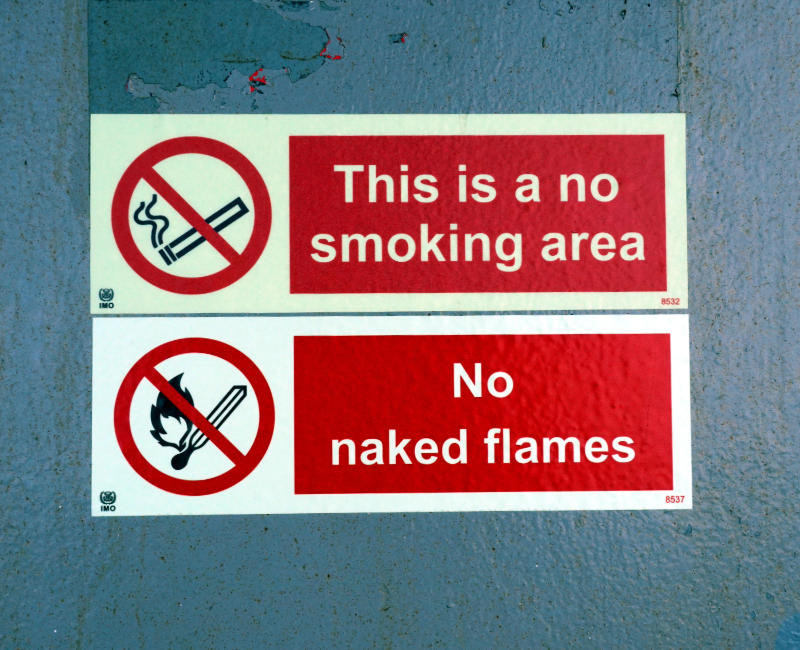
Human behaviour is a significant factor in many workplace fires. Even in well-designed buildings, unsafe actions can quickly create dangerous conditions.
Typical examples include:
Clear policies, staff training and strong fire safety culture are key to preventing these avoidable incidents.
Poor housekeeping significantly increases fire risk, particularly in warehouses and industrial buildings where large volumes of packaging, pallets and combustible materials are present.
Fire risks associated with poor housekeeping include:
Effective waste management and regular cleaning help reduce both the likelihood and severity of a fire.
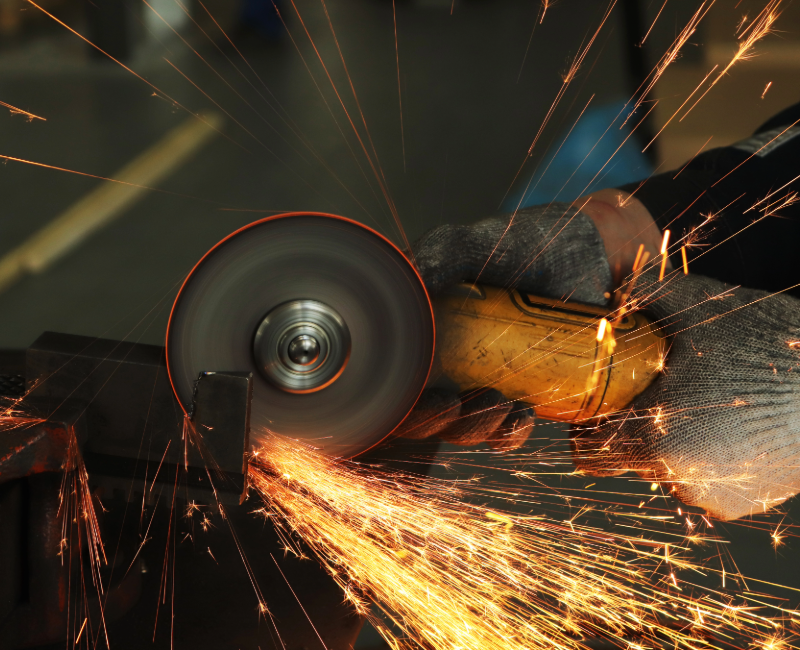
Hot works such as welding, cutting and grinding are a major cause of commercial fires if not properly controlled. Sparks and heat can ignite materials long after work has finished.
Key risk factors include:
Strict hot works procedures are essential on construction sites and in operational buildings alike.
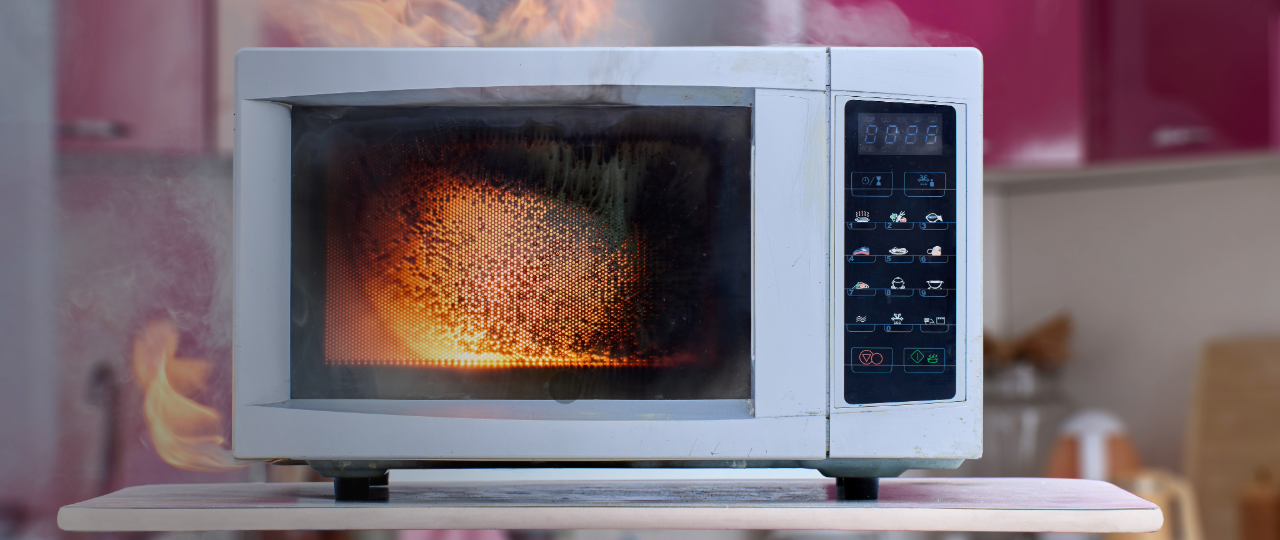
Commercial kitchens and staff welfare areas are a frequent source of fires in offices, warehouses and mixed-use buildings.
Common causes include:
Routine cleaning, equipment maintenance and staff awareness are critical to managing this risk.
Deliberate fires remain a concern for commercial premises, particularly large warehouses, logistics hubs and vacant buildings.
Arson risks increase when:
Good security, site management and fire-resistant waste storage can significantly reduce this threat.
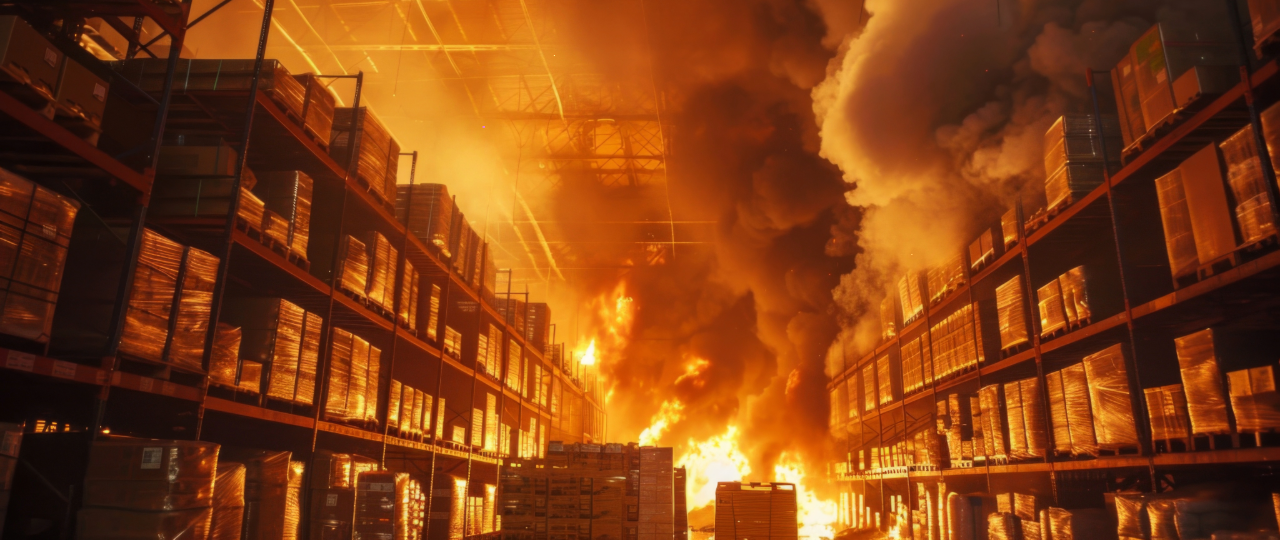
Warehouses and large commercial buildings face unique fire safety challenges due to their size, layout and stored contents. High racking, large open spaces and combustible stock can allow fires to grow rapidly if not controlled early.
In these environments:
This makes early fire control absolutely critical.
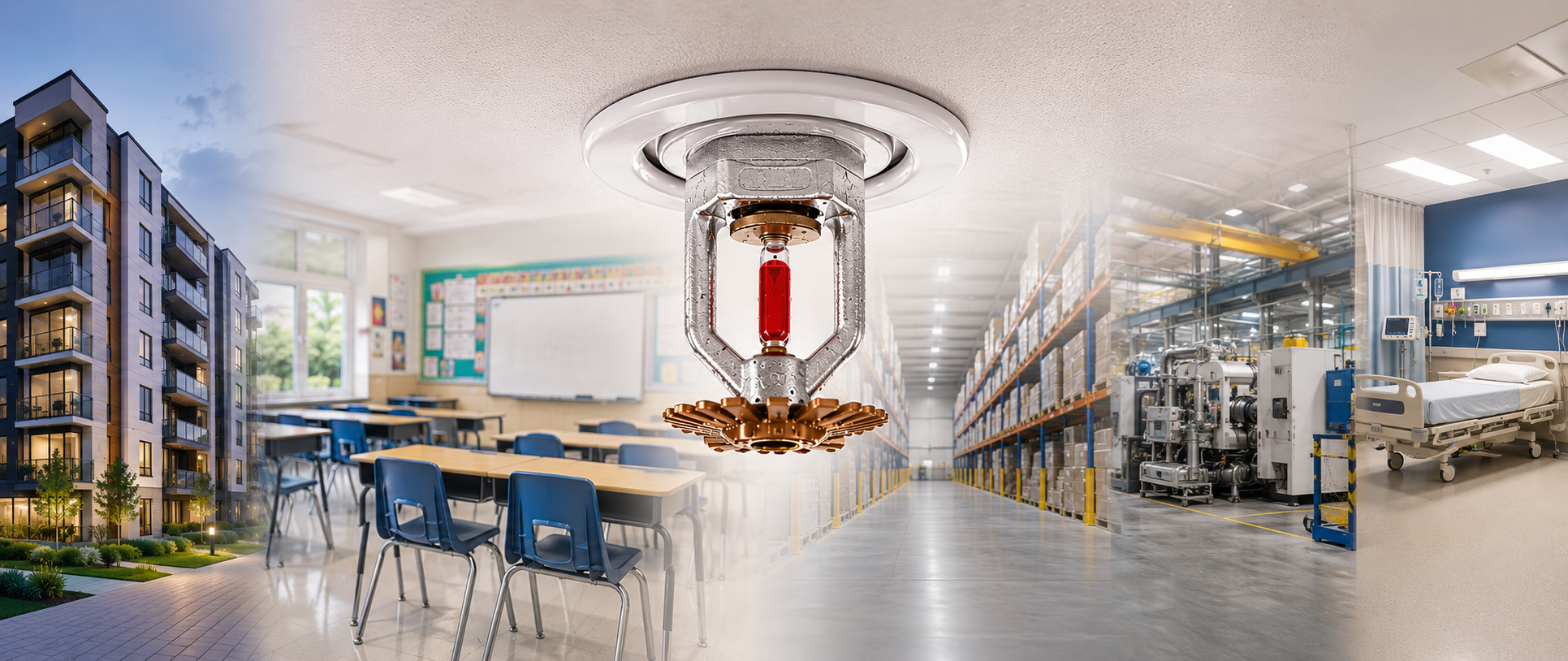
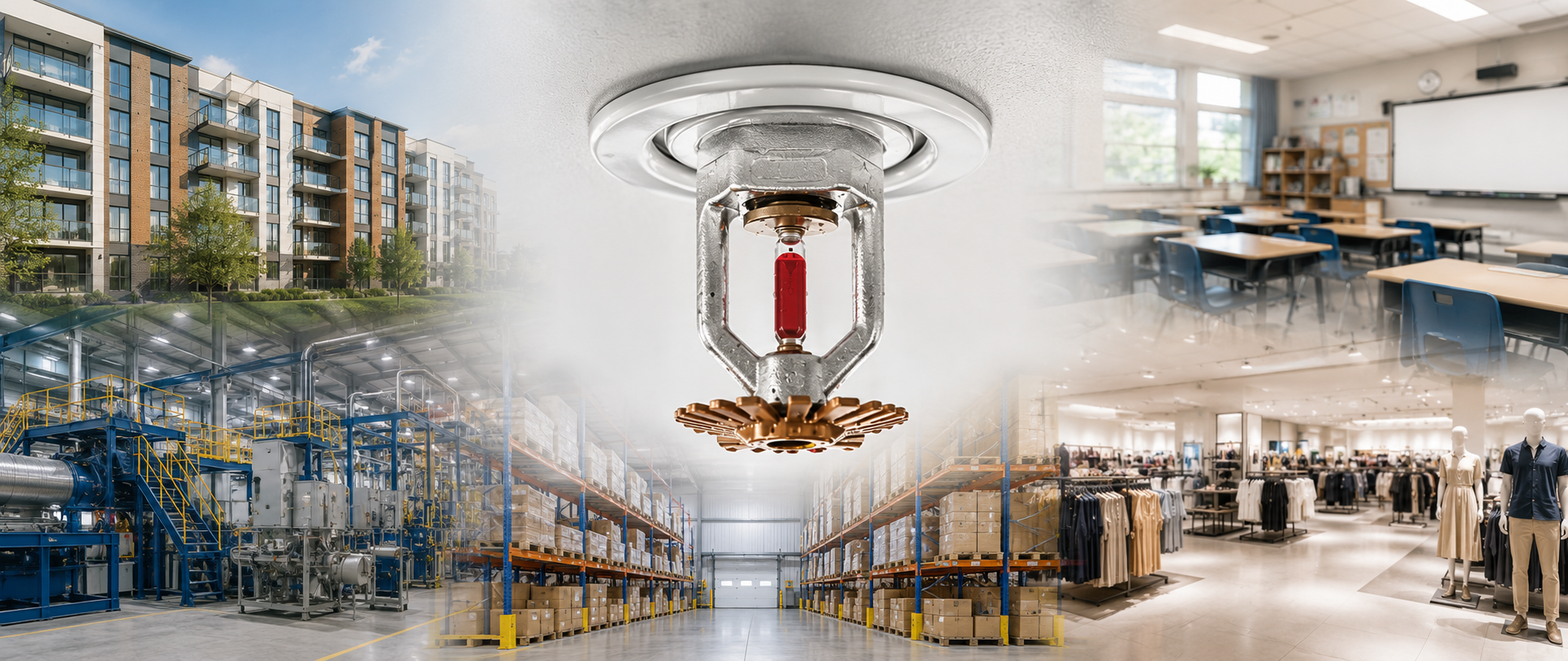
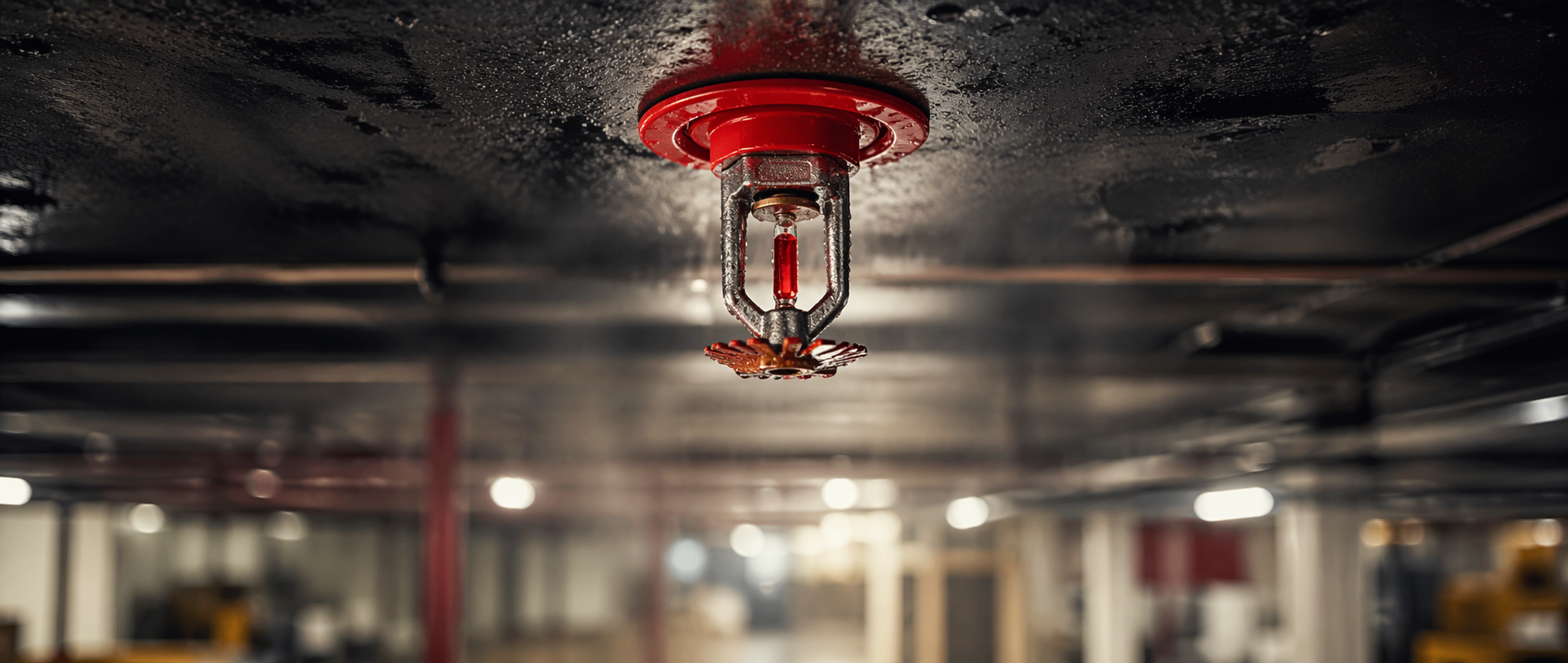
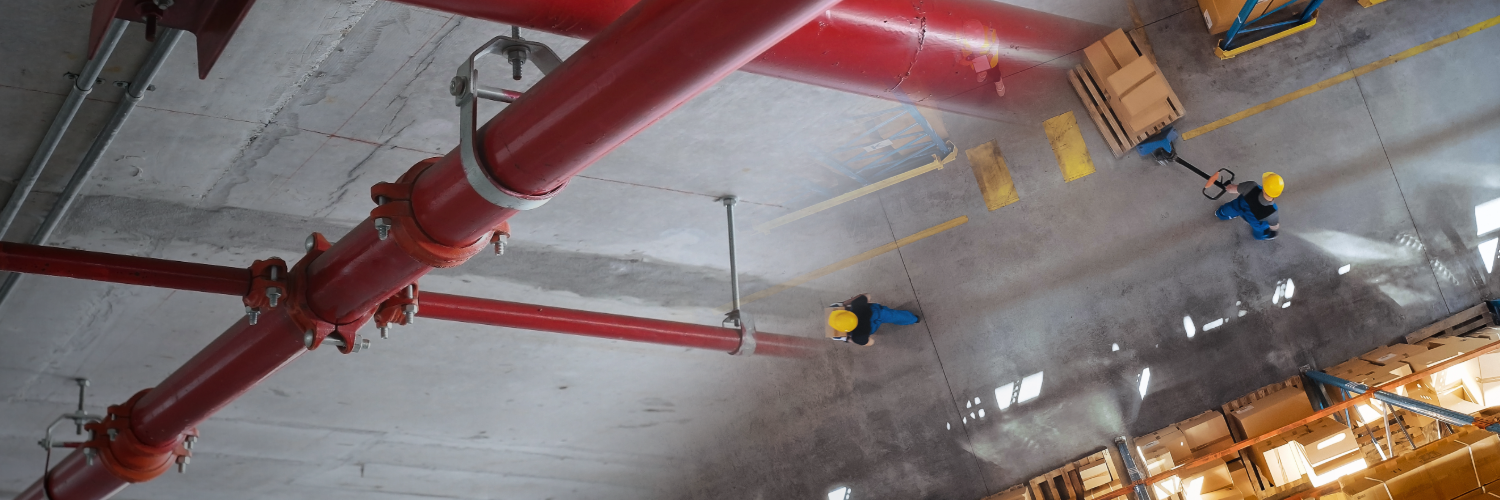
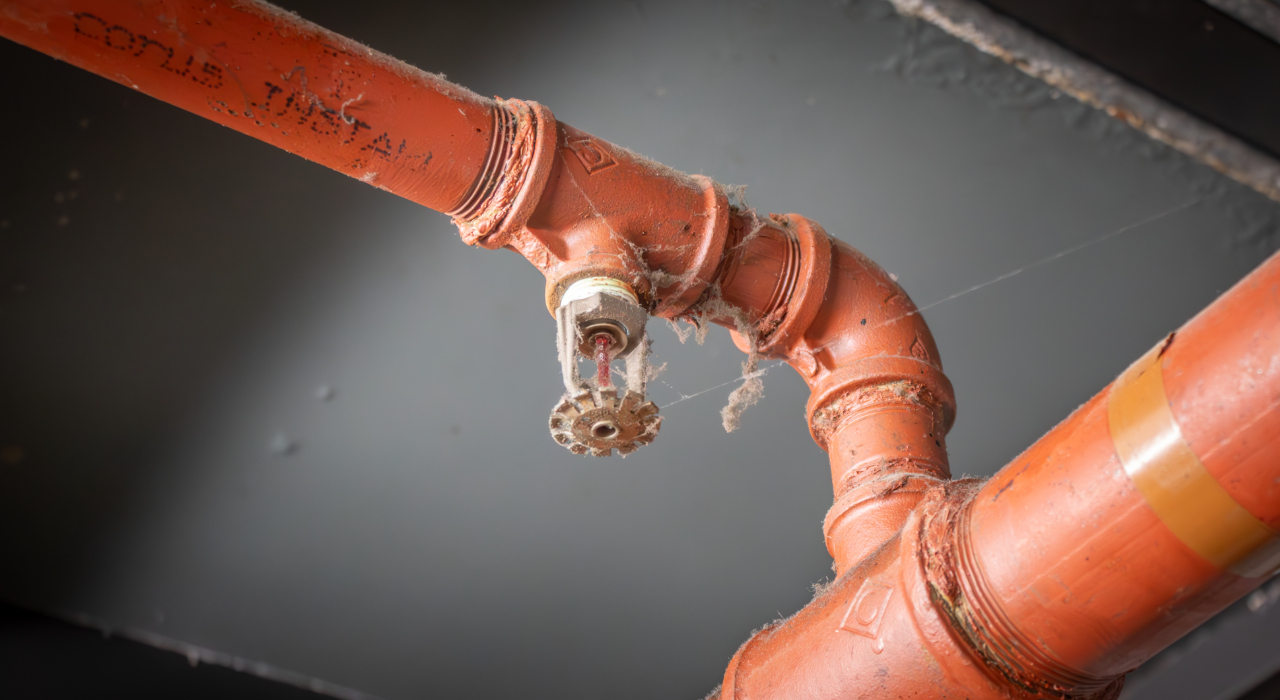
Automatic fire sprinkler systems play a vital role in protecting warehouses and large commercial buildings. Unlike manual firefighting methods, sprinklers react immediately when a fire starts — often controlling or suppressing the fire before it spreads.
In warehouse and large-scale commercial settings, sprinklers:
Sprinklers operate automatically, targeting the fire at its source, and work alongside fire alarms, compartmentation and emergency procedures as part of a complete fire safety strategy.
While identifying and reducing fire risks is essential, no building is ever completely risk-free. That’s why UK fire safety guidance emphasises both fire prevention and fire protection.
A robust approach includes:
Together, these measures significantly reduce the impact of a fire should one occur.
Most fires in commercial buildings start in predictable ways. Electrical faults, poor housekeeping, unsafe working practices and hot works continue to be the most common causes across the UK.
For warehouses and large commercial buildings in particular, early fire control is critical — and fire sprinkler systems provide one of the most effective means of protecting people, property and business continuity.
Fire safety is not just about meeting legal requirements; it’s about safeguarding lives and ensuring businesses can recover quickly if the worst happens.
Fires in commercial buildings remain a serious risk across the UK, causing injuries, business disruption and millions of pounds in damage each year. Warehouses, offices, factories and large commercial premises all face unique fire hazards — but the causes of most fires are well known and largely preventable.
Understanding the most common causes of fires in commercial buildings helps duty holders, facilities managers and business owners take practical steps to reduce risk and improve overall fire safety.
Electrical faults are one of the leading causes of fires in UK commercial buildings. Poorly maintained electrical systems can overheat, spark or fail without warning.
Common electrical fire risks include:
Regular electrical inspections, PAT testing and compliance with UK standards are essential to reducing electrical fire risk.
Human behaviour is a significant factor in many workplace fires. Even in well-designed buildings, unsafe actions can quickly create dangerous conditions.
Typical examples include:
Clear policies, staff training and strong fire safety culture are key to preventing these avoidable incidents.
Poor housekeeping significantly increases fire risk, particularly in warehouses and industrial buildings where large volumes of packaging, pallets and combustible materials are present.
Fire risks associated with poor housekeeping include:
Effective waste management and regular cleaning help reduce both the likelihood and severity of a fire.
Hot works such as welding, cutting and grinding are a major cause of commercial fires if not properly controlled. Sparks and heat can ignite materials long after work has finished.
Key risk factors include:
Strict hot works procedures are essential on construction sites and in operational buildings alike.
Commercial kitchens and staff welfare areas are a frequent source of fires in offices, warehouses and mixed-use buildings.
Common causes include:
Routine cleaning, equipment maintenance and staff awareness are critical to managing this risk.
Deliberate fires remain a concern for commercial premises, particularly large warehouses, logistics hubs and vacant buildings.
Arson risks increase when:
Good security, site management and fire-resistant waste storage can significantly reduce this threat.
Warehouses and large commercial buildings face unique fire safety challenges due to their size, layout and stored contents. High racking, large open spaces and combustible stock can allow fires to grow rapidly if not controlled early.
In these environments:
This makes early fire control absolutely critical.
Automatic fire sprinkler systems play a vital role in protecting warehouses and large commercial buildings. Unlike manual firefighting methods, sprinklers react immediately when a fire starts — often controlling or suppressing the fire before it spreads.
In warehouse and large-scale commercial settings, sprinklers:
Sprinklers operate automatically, targeting the fire at its source, and work alongside fire alarms, compartmentation and emergency procedures as part of a complete fire safety strategy.
While identifying and reducing fire risks is essential, no building is ever completely risk-free. That’s why UK fire safety guidance emphasises both fire prevention and fire protection.
A robust approach includes:
Together, these measures significantly reduce the impact of a fire should one occur.
Most fires in commercial buildings start in predictable ways. Electrical faults, poor housekeeping, unsafe working practices and hot works continue to be the most common causes across the UK.
For warehouses and large commercial buildings in particular, early fire control is critical — and fire sprinkler systems provide one of the most effective means of protecting people, property and business continuity.
Fire safety is not just about meeting legal requirements; it’s about safeguarding lives and ensuring businesses can recover quickly if the worst happens.




.png)


















.png)


.png)


.png)


.svg)