The latest collection of global sprinkler saves demonstrates, once again, the vital role automatic fire sprinkler systems play in protecting lives, businesses and property.


Posted on
July 13, 2026
By
During June 2026, 40 confirmed sprinkler saves were reported to International Fire Suppression Alliance. They came from all around the world, covering everything from apartment buildings and schools to factories, warehouses and commercial premises. Although each incident had its own circumstances, one trend stands out above all others:
Where sprinklers were installed, fires were controlled before they could develop into devastating incidents.
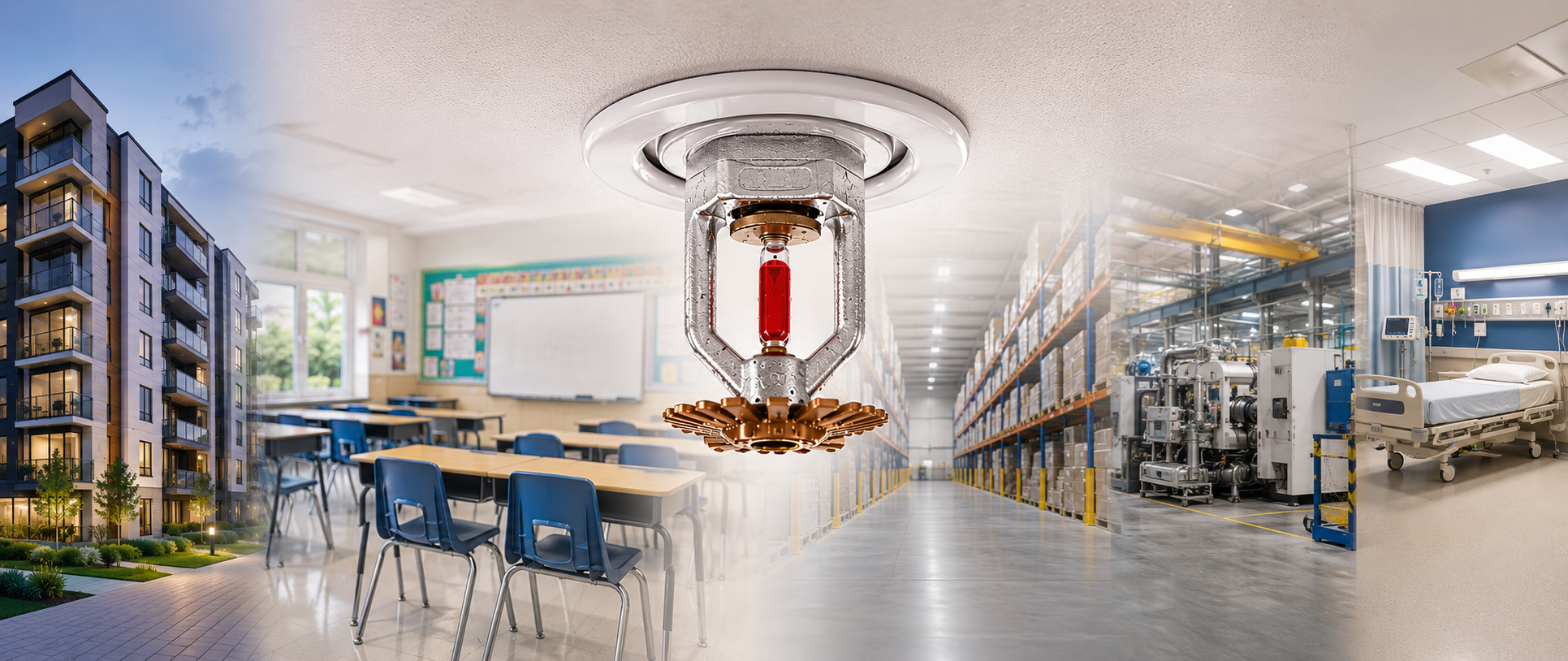
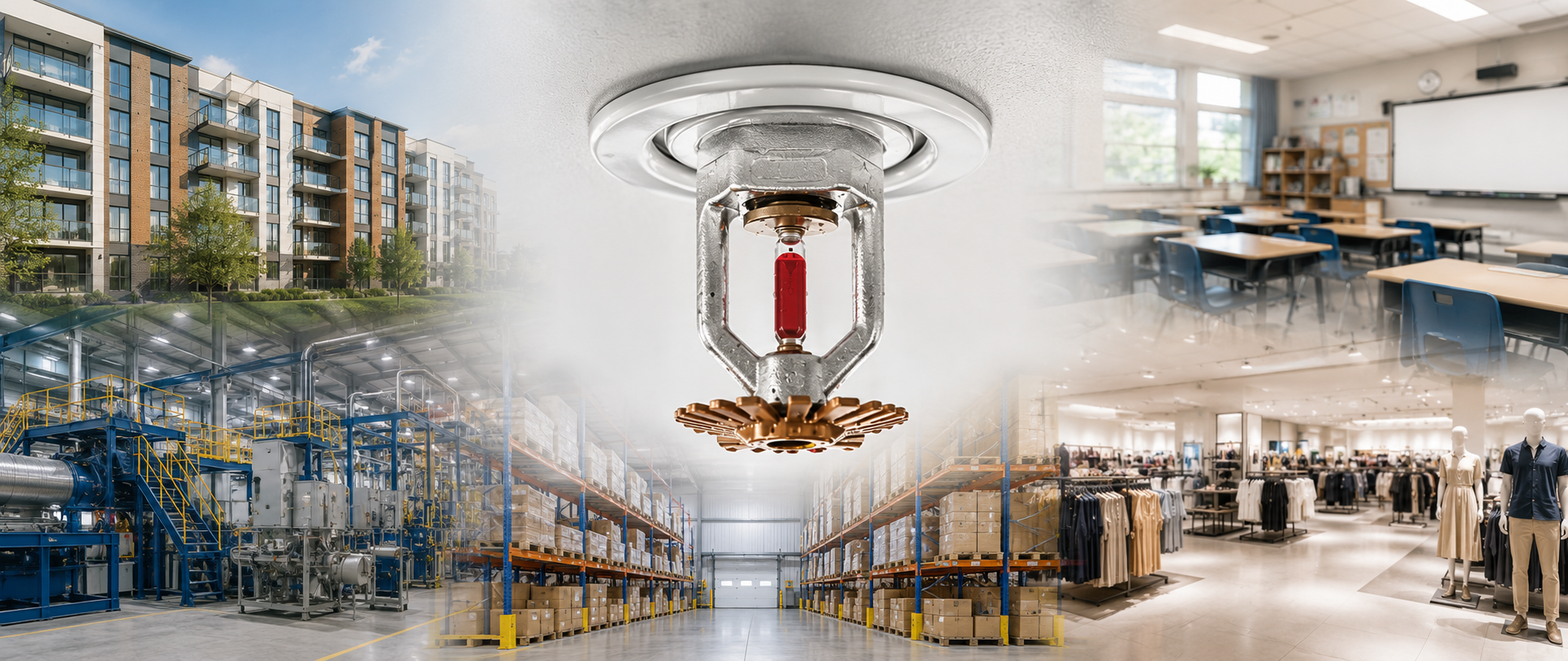
The June reports covered a wide variety of occupancies:
The figures show that while fire affects every type of building, residential occupancies continue to account for the largest proportion of reported sprinkler activations.
Almost half of all reported sprinkler saves during June occurred in residential buildings, including apartments, flats and other multi-family housing.
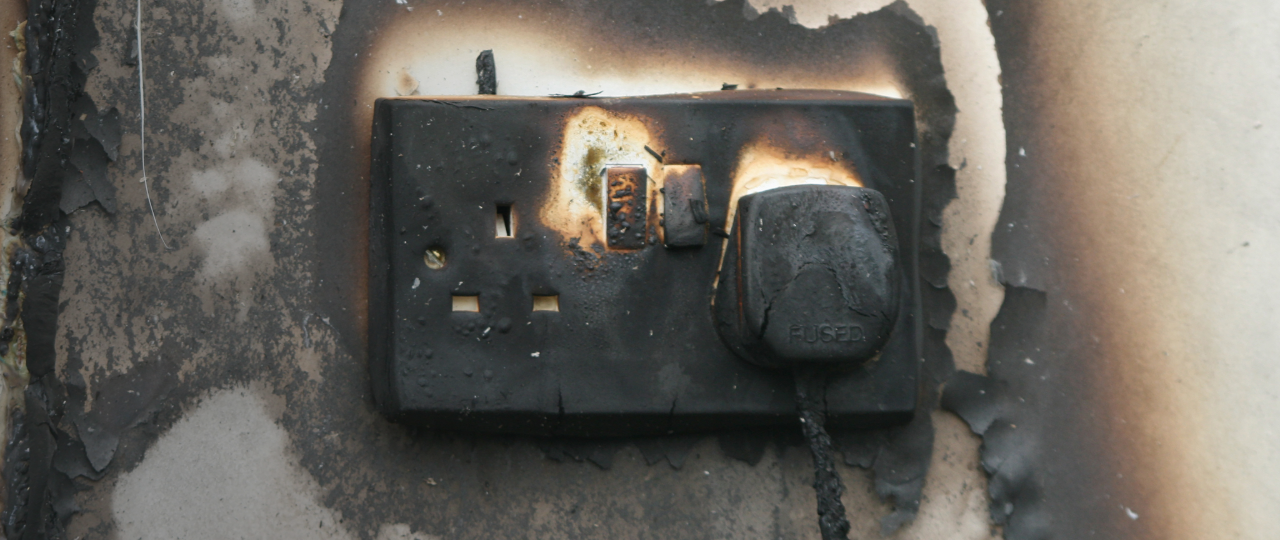
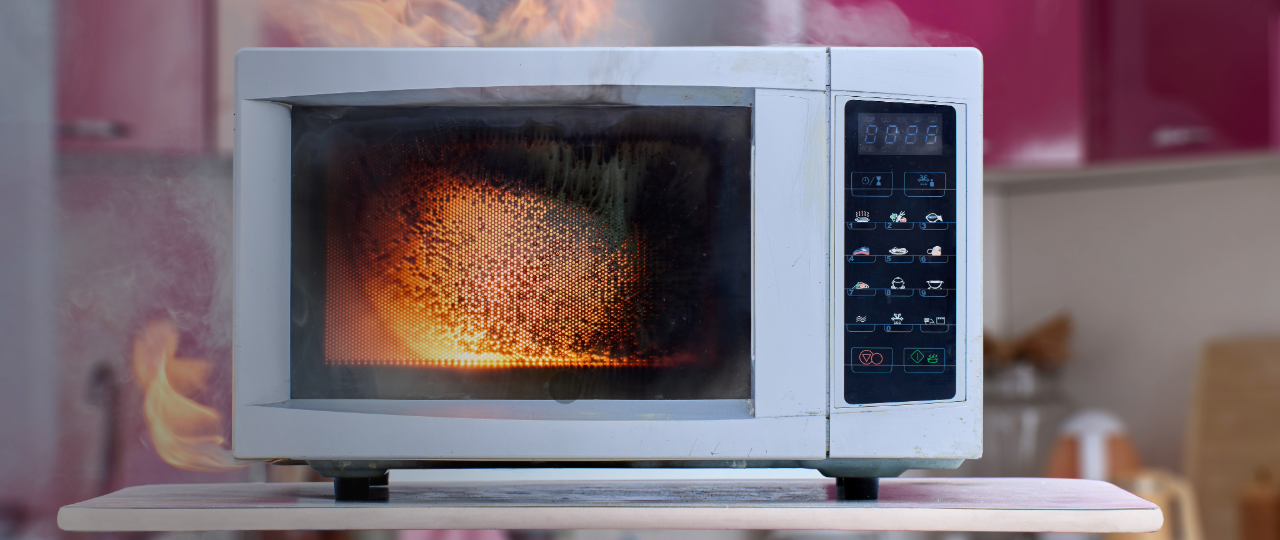
Many of these incidents originated from familiar household hazards, including:
In several cases, a single sprinkler head controlled or extinguished the fire before it spread beyond the room of origin. This limited damage, prevented injuries and significantly reduced the number of residents displaced from their homes.
The continued prominence of residential incidents reinforces an important message: while domestic fires often begin as relatively small events, they can escalate rapidly without automatic fire suppression.
Business occupancies represented the second-largest category, accounting for 17.5% of all reported incidents.
The reports included fires within retail premises, service businesses and other commercial operations where sprinkler systems successfully contained fires before they could spread throughout the building.
For businesses, the benefits extend well beyond protecting the building itself. Early suppression helps to:
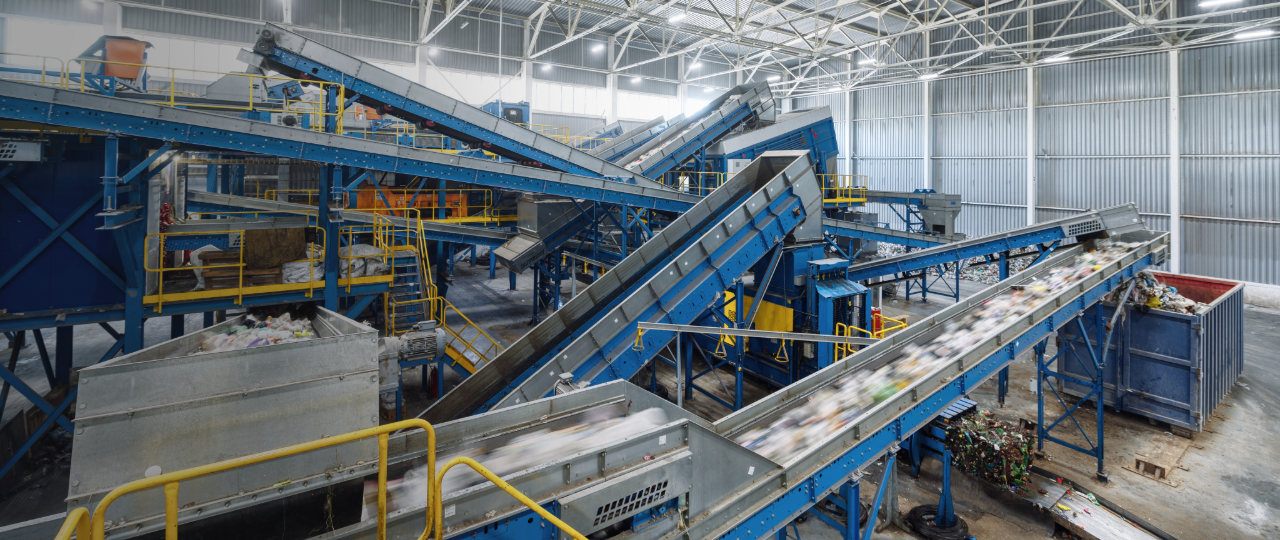
Several incidents occurred in high-hazard occupancies where combustible materials, industrial processes or specialised operations increase the potential severity of a fire.
In these environments, rapid fire growth can threaten both people and critical infrastructure within minutes.
June's reports demonstrate how sprinkler systems provide an immediate response, suppressing fires before they escalate into incidents that could result in extensive damage or prolonged business interruption.
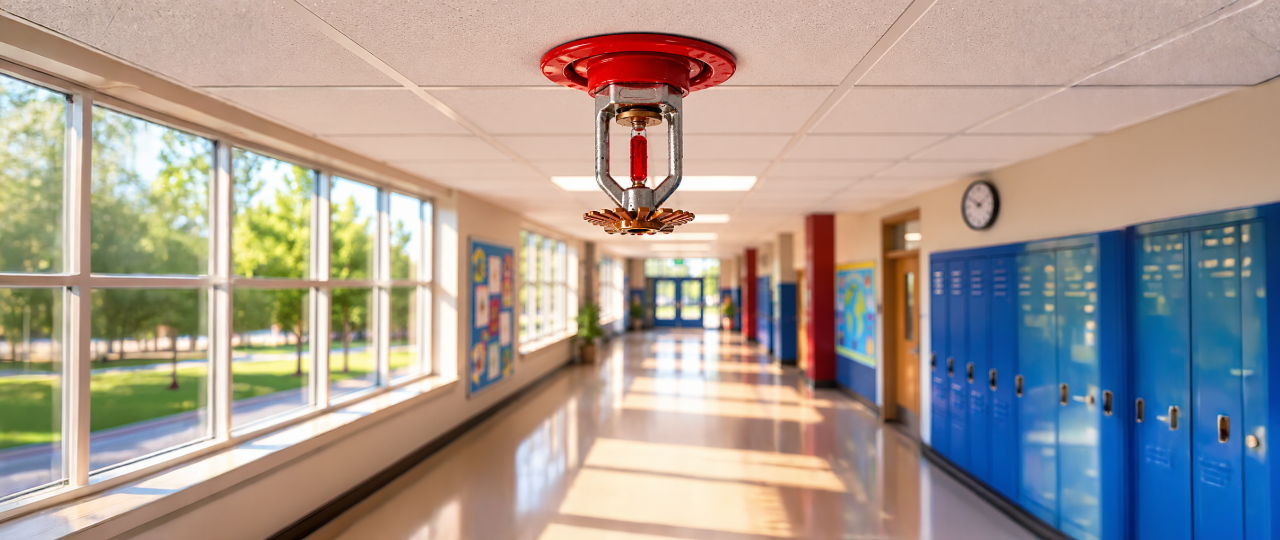
Schools, institutional buildings and public assembly occupancies also featured throughout June's reports.
These buildings often accommodate large numbers of occupants, making early fire control particularly important. By containing fires at their earliest stages, sprinkler systems help protect vulnerable occupants, support safe evacuation where necessary and reduce disruption to essential services.
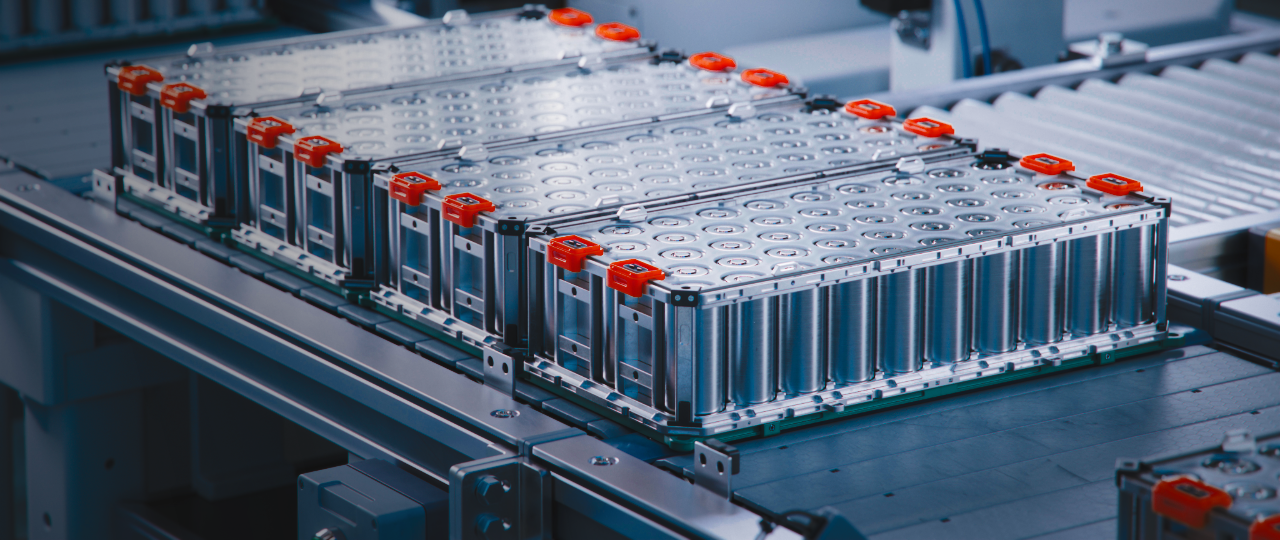
Although the locations varied, several recurring causes emerged throughout June:
Despite these different ignition sources, the outcome remained remarkably consistent. Fires were typically confined to small areas, property damage was significantly reduced and, in many cases, occupants escaped without injury.
The June sprinkler saves reinforce several important lessons:
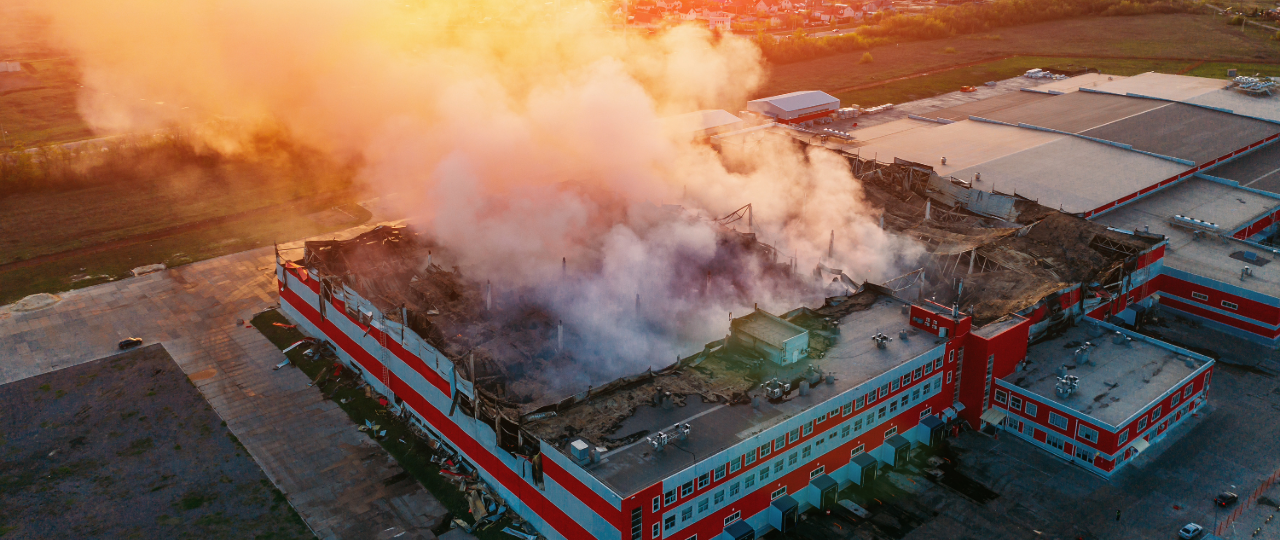
Every sprinkler save represents more than just a successful system activation—it represents a fire that didn't become a catastrophe.
Whether protecting a family at home, safeguarding employees in a workplace or preventing a major industrial loss, automatic fire sprinklers continue to prove their value month after month.
The June 2026 reports provide further real-world evidence that when a fire starts, having an effective sprinkler system in place can make all the difference.
During June 2026, 40 confirmed sprinkler saves were reported to International Fire Suppression Alliance. They came from all around the world, covering everything from apartment buildings and schools to factories, warehouses and commercial premises. Although each incident had its own circumstances, one trend stands out above all others:
Where sprinklers were installed, fires were controlled before they could develop into devastating incidents.
The June reports covered a wide variety of occupancies:
The figures show that while fire affects every type of building, residential occupancies continue to account for the largest proportion of reported sprinkler activations.
Almost half of all reported sprinkler saves during June occurred in residential buildings, including apartments, flats and other multi-family housing.
Many of these incidents originated from familiar household hazards, including:
In several cases, a single sprinkler head controlled or extinguished the fire before it spread beyond the room of origin. This limited damage, prevented injuries and significantly reduced the number of residents displaced from their homes.
The continued prominence of residential incidents reinforces an important message: while domestic fires often begin as relatively small events, they can escalate rapidly without automatic fire suppression.
Business occupancies represented the second-largest category, accounting for 17.5% of all reported incidents.
The reports included fires within retail premises, service businesses and other commercial operations where sprinkler systems successfully contained fires before they could spread throughout the building.
For businesses, the benefits extend well beyond protecting the building itself. Early suppression helps to:
Several incidents occurred in high-hazard occupancies where combustible materials, industrial processes or specialised operations increase the potential severity of a fire.
In these environments, rapid fire growth can threaten both people and critical infrastructure within minutes.
June's reports demonstrate how sprinkler systems provide an immediate response, suppressing fires before they escalate into incidents that could result in extensive damage or prolonged business interruption.
Schools, institutional buildings and public assembly occupancies also featured throughout June's reports.
These buildings often accommodate large numbers of occupants, making early fire control particularly important. By containing fires at their earliest stages, sprinkler systems help protect vulnerable occupants, support safe evacuation where necessary and reduce disruption to essential services.
Although the locations varied, several recurring causes emerged throughout June:
Despite these different ignition sources, the outcome remained remarkably consistent. Fires were typically confined to small areas, property damage was significantly reduced and, in many cases, occupants escaped without injury.
The June sprinkler saves reinforce several important lessons:
Every sprinkler save represents more than just a successful system activation—it represents a fire that didn't become a catastrophe.
Whether protecting a family at home, safeguarding employees in a workplace or preventing a major industrial loss, automatic fire sprinklers continue to prove their value month after month.
The June 2026 reports provide further real-world evidence that when a fire starts, having an effective sprinkler system in place can make all the difference.




.png)


















.png)


.png)


.png)


.svg)