Posted on
April 24, 2026
By
The latest round-up of global sprinkler saves from the International Fire Suppression Alliance (IFSA) highlights, once again, the critical role automatic fire sprinklers play in protecting life and property.
Across March 2026, 38 confirmed sprinkler saves were reported. While each incident has its own circumstances, analysing the data by occupancy type reveals clear trends in where fires are occurring—and where sprinklers are making the biggest difference.
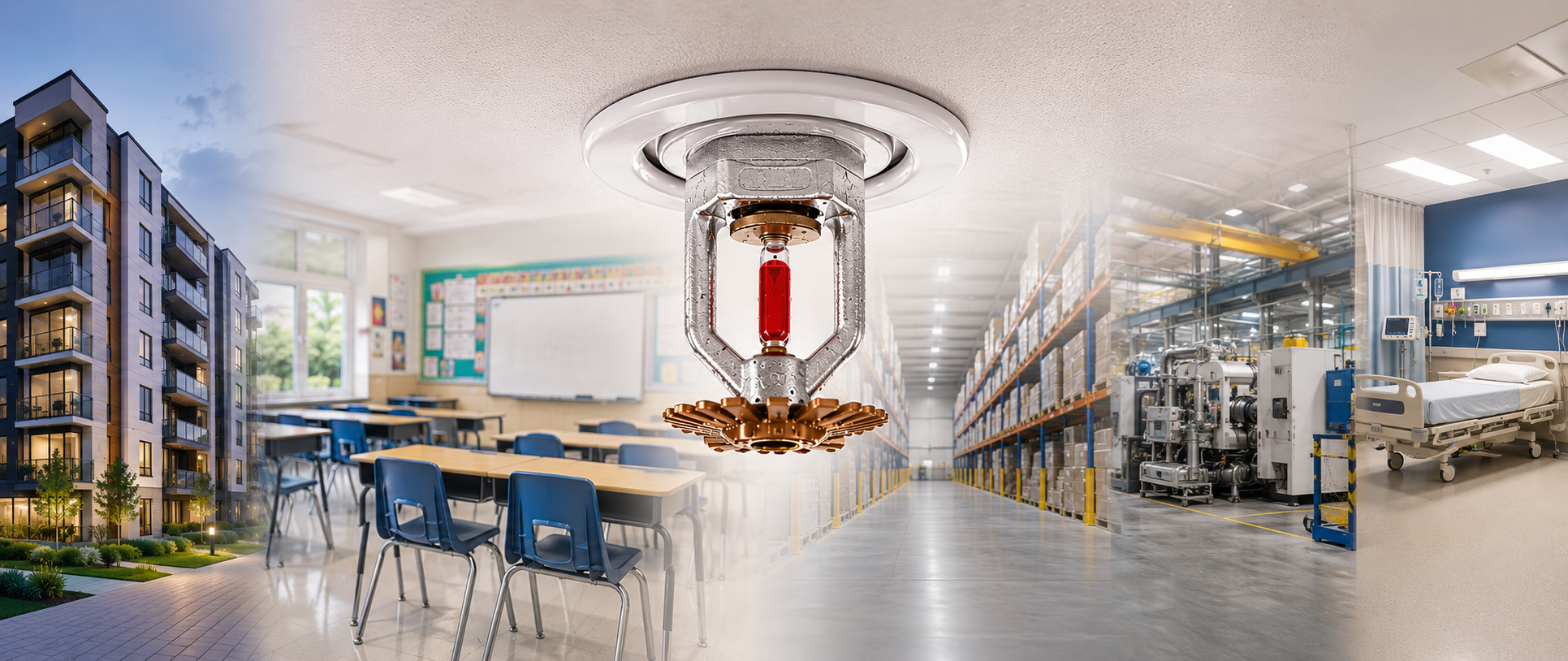
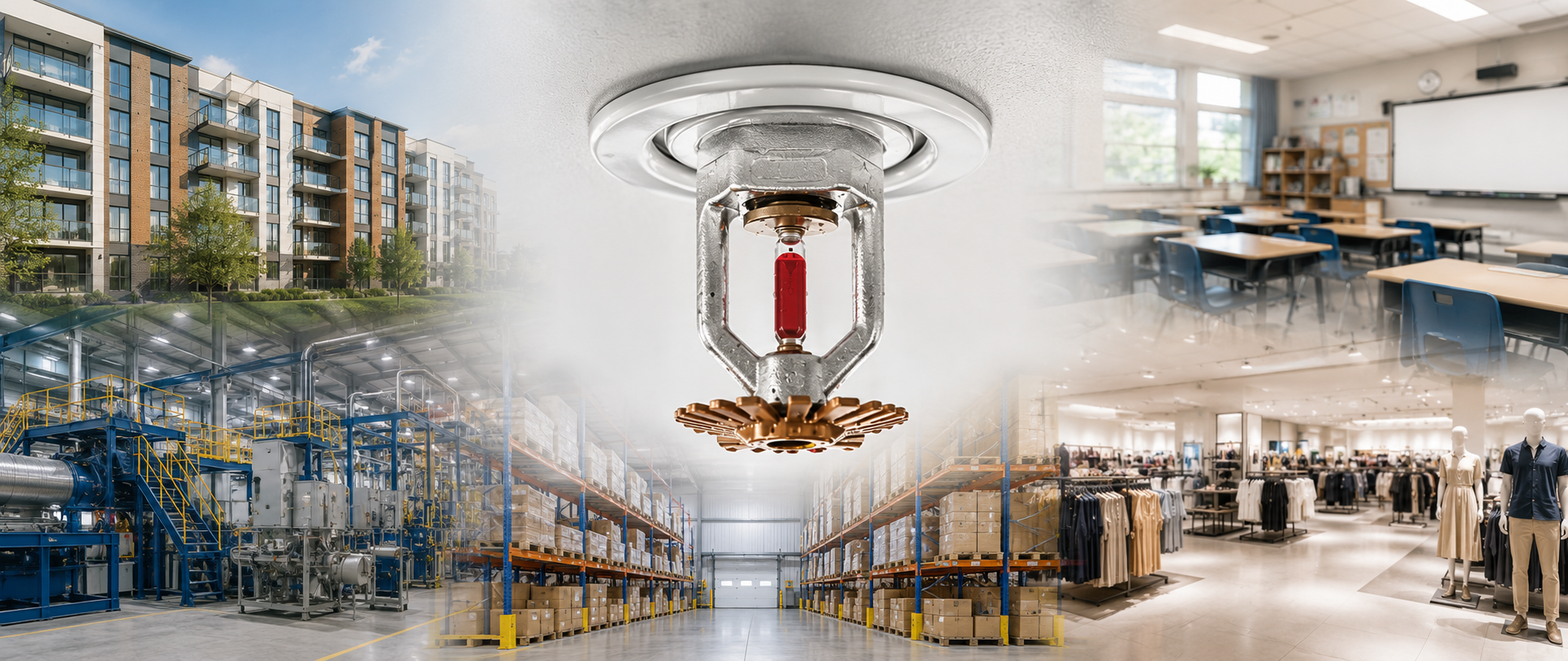
From the 38 recorded incidents, the distribution across industries is as follows:
As seen in previous months, residential properties account for the largest proportion of sprinkler saves, making up nearly 40% of all incidents.
These fires commonly include:
In many of these cases, sprinklers either fully extinguished the fire before fire crews arrived or contained it to a single room, preventing widespread damage and displacement of residents.
This reinforces a consistent message:
Where sprinklers are installed in residential settings, the outcome is almost always significantly improved.
With 8 incidents (21%), commercial environments represent the second largest category.
These include:
In these settings, sprinklers play a crucial role not just in life safety, but in:
Assembly buildings (11%), such as:
Often these areas involve high occupant loads and increased fire risk due to equipment or catering operations.
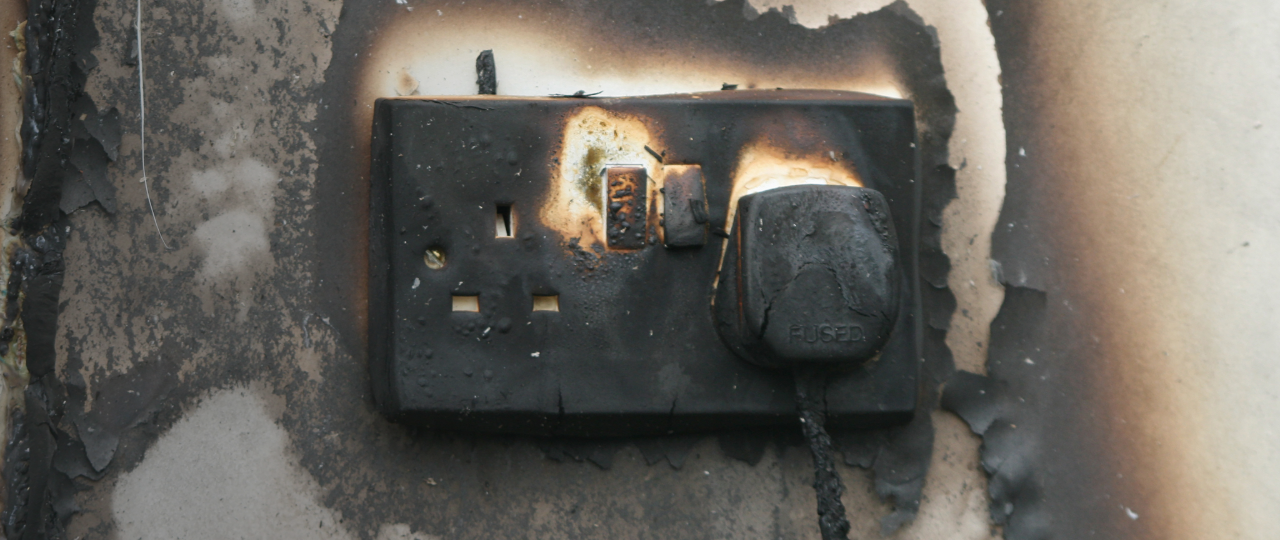
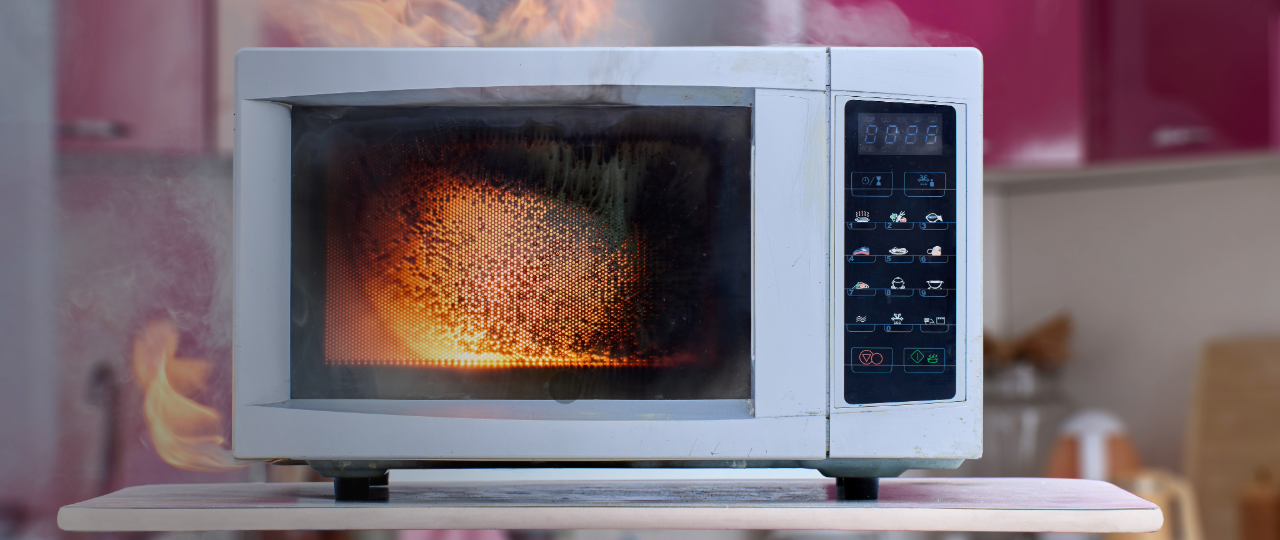
One notable example from March includes a cinema fire caused by a popcorn machine, which was quickly controlled by the sprinkler system—preventing evacuation escalation and major damage.
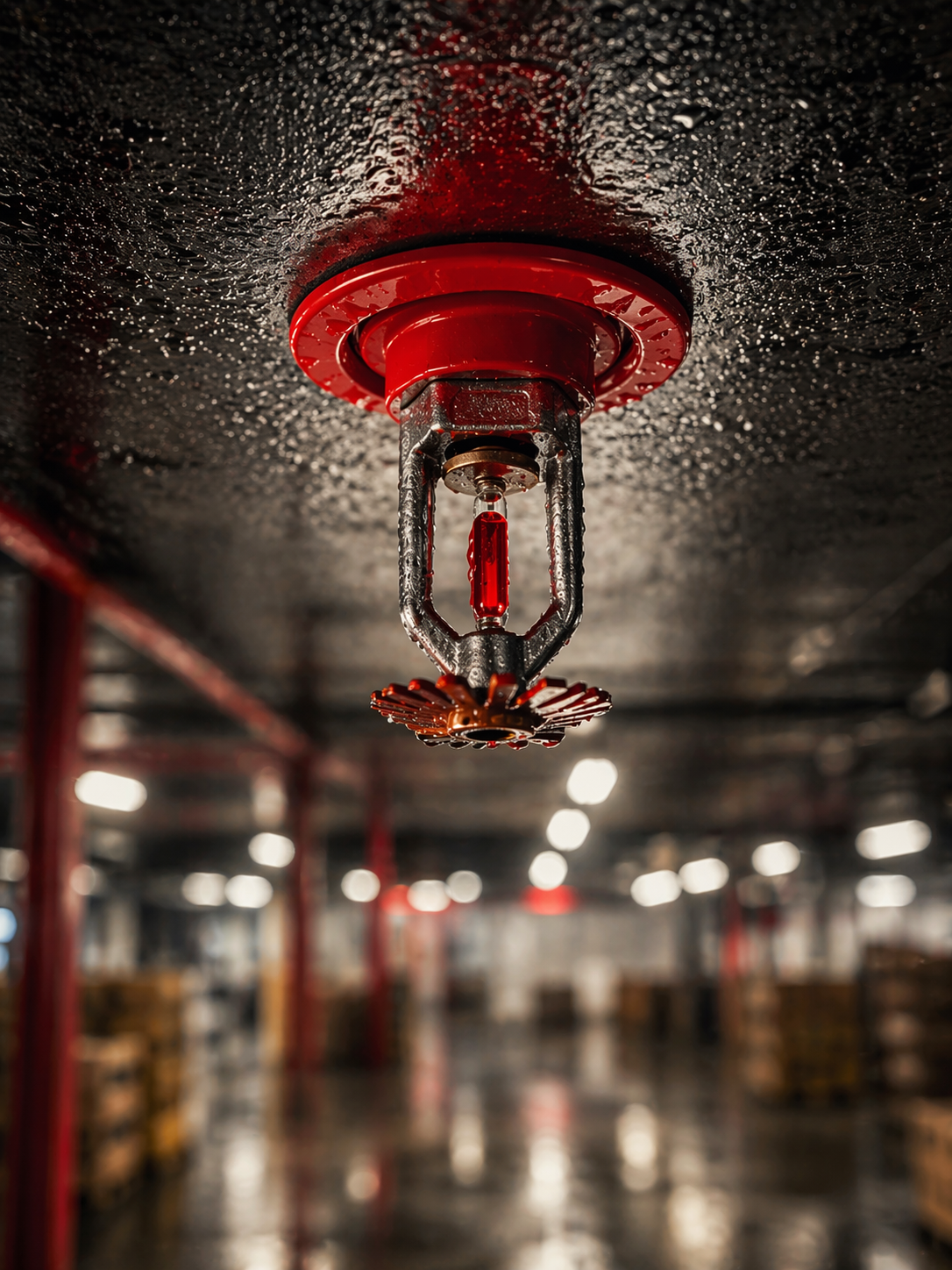
Combined, industrial (11%) and storage (8%) occupancies account for nearly 20% of incidents.
These environments typically involve:
Sprinklers in these settings are particularly valuable because they:
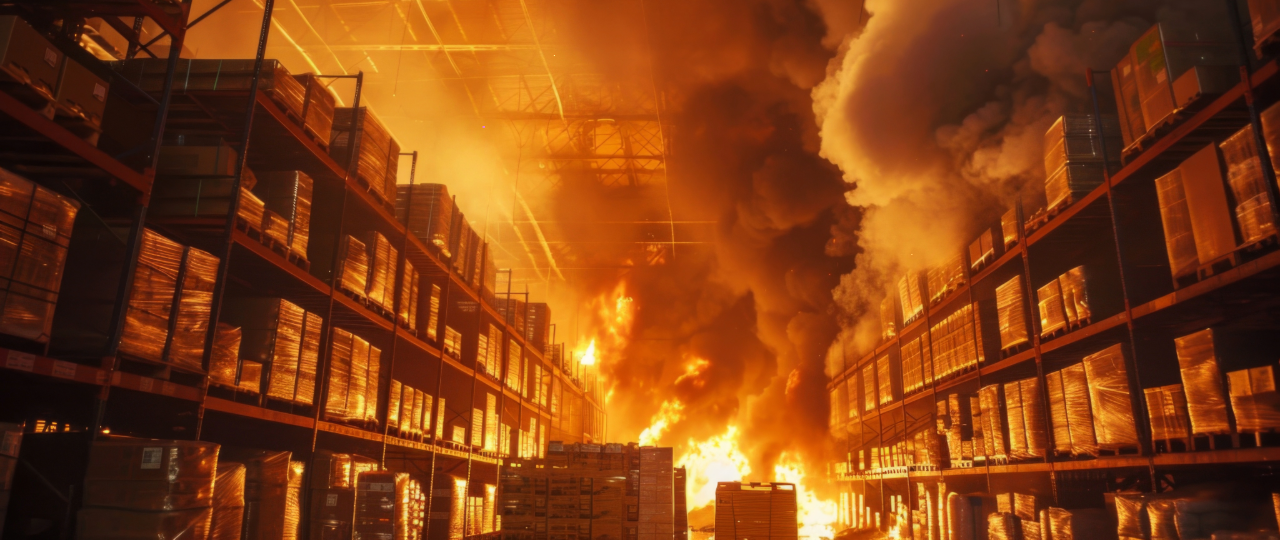
For warehouses and distribution centres especially, this is a critical takeaway—fires in these environments can escalate rapidly without suppression.
Although only 5% of incidents, institutional buildings (such as healthcare facilities) highlight an important point:
Sprinklers protect those who may not be able to self-evacuate.
In the recorded cases, fires were contained to limited areas, allowing staff to maintain control of the situation without large-scale evacuation.
Across all sectors, a few consistent themes emerge:
For organisations—particularly those operating in:
—the message is clear:
Fire sprinklers are not just a compliance measure; they are a business protection system.
They:
The March 2026 data from IFSA continues to build on a growing body of evidence:
where sprinklers are installed, fires are controlled—and lives and livelihoods are protected.
While the types of buildings and causes may vary, the outcome is consistent.
This data has come from the International Fire Suppression Alliance. You can check out their list and look into each case here: https://www.ifsaglobal.org/march-2026-sprinkler-saves/
The latest round-up of global sprinkler saves from the International Fire Suppression Alliance (IFSA) highlights, once again, the critical role automatic fire sprinklers play in protecting life and property.
Across March 2026, 38 confirmed sprinkler saves were reported. While each incident has its own circumstances, analysing the data by occupancy type reveals clear trends in where fires are occurring—and where sprinklers are making the biggest difference.
From the 38 recorded incidents, the distribution across industries is as follows:
As seen in previous months, residential properties account for the largest proportion of sprinkler saves, making up nearly 40% of all incidents.
These fires commonly include:
In many of these cases, sprinklers either fully extinguished the fire before fire crews arrived or contained it to a single room, preventing widespread damage and displacement of residents.
This reinforces a consistent message:
Where sprinklers are installed in residential settings, the outcome is almost always significantly improved.
With 8 incidents (21%), commercial environments represent the second largest category.
These include:
In these settings, sprinklers play a crucial role not just in life safety, but in:
Assembly buildings (11%), such as:
Often these areas involve high occupant loads and increased fire risk due to equipment or catering operations.
One notable example from March includes a cinema fire caused by a popcorn machine, which was quickly controlled by the sprinkler system—preventing evacuation escalation and major damage.
Combined, industrial (11%) and storage (8%) occupancies account for nearly 20% of incidents.
These environments typically involve:
Sprinklers in these settings are particularly valuable because they:
For warehouses and distribution centres especially, this is a critical takeaway—fires in these environments can escalate rapidly without suppression.
Although only 5% of incidents, institutional buildings (such as healthcare facilities) highlight an important point:
Sprinklers protect those who may not be able to self-evacuate.
In the recorded cases, fires were contained to limited areas, allowing staff to maintain control of the situation without large-scale evacuation.
Across all sectors, a few consistent themes emerge:
For organisations—particularly those operating in:
—the message is clear:
Fire sprinklers are not just a compliance measure; they are a business protection system.
They:
The March 2026 data from IFSA continues to build on a growing body of evidence:
where sprinklers are installed, fires are controlled—and lives and livelihoods are protected.
While the types of buildings and causes may vary, the outcome is consistent.
This data has come from the International Fire Suppression Alliance. You can check out their list and look into each case here: https://www.ifsaglobal.org/march-2026-sprinkler-saves/





.png)















.png)


.png)


.png)


.svg)