From industrial fires and warehouse incidents to apartment blazes and lithium-ion battery emergencies, October's 67 reported sprinkler saves provide further evidence of how automatic fire suppression protects lives, property and business operations.


Posted on
November 5, 2026
By
The International Fire Suppression Alliance (IFSA) has recorded 67 documented sprinkler saves for October 2026, covering a wide range of buildings, occupancies and fire scenarios across the world.
The incidents demonstrate a consistent theme: when a fire protection system is correctly designed, installed and maintained, it can intervene at a critical moment, controlling a fire before it develops into a far more serious event.
While every incident is different, the outcomes reinforce why automatic fire sprinklers are such an important part of a building's overall fire protection strategy.
Residential properties featured prominently in October's records, with apartment buildings, high-rise accommodation, retirement communities and student residences among the locations protected by sprinkler systems.
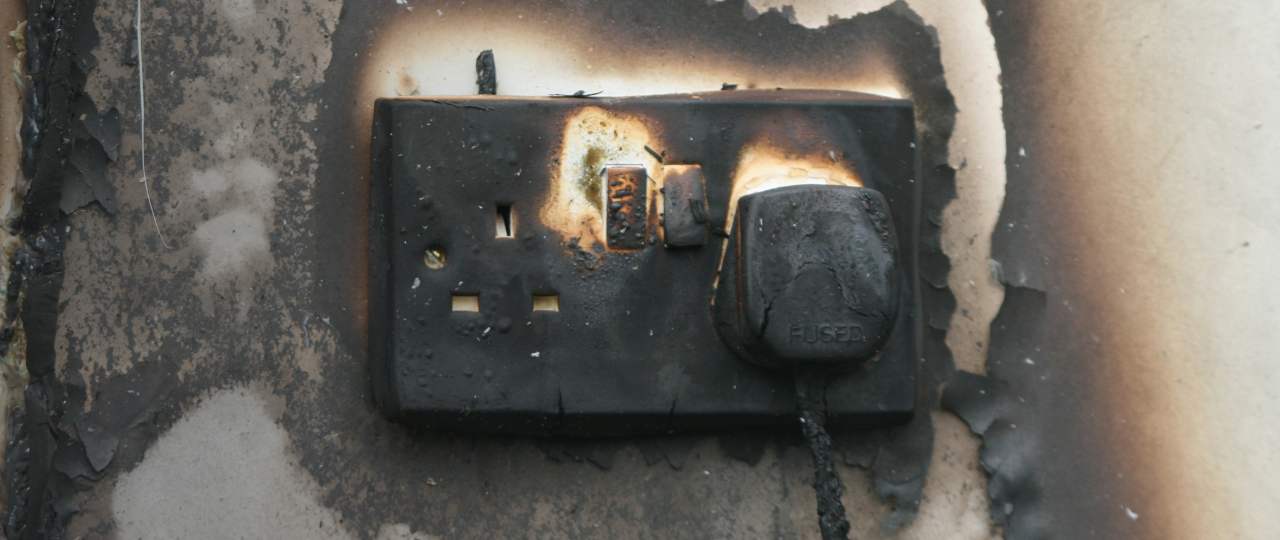
Many of the incidents involved familiar domestic fire risks, including cooking accidents, unattended candles, electrical faults and discarded smoking materials.
In Lakewood, Colorado, sprinklers contained a ground-floor apartment fire to a single room, with firefighters reporting no structural damage to the unit. In San Rafael, California, a cooking oil fire was stopped by the building's sprinkler system, limiting the damage to less than $1,000.
There were also several examples of sprinklers extinguishing fires before firefighters arrived. In Honolulu, a 30th-floor apartment oven fire was controlled by the building's sprinkler system, while in Portland, Oregon, a stovetop fire in a fifth-floor apartment was extinguished, with damage confined to the affected unit.
One particularly notable incident occurred in Richland, Washington, where a dryer fire in an apartment building activated the sprinklers while a woman and two children were rescued from a balcony.
These incidents highlight the importance of early intervention in residential settings, where fires can quickly threaten occupants and spread between individual units.
October also featured numerous incidents involving factories, manufacturing facilities and industrial processes.
These environments can present complex fire risks, with machinery, electrical equipment, chemicals, combustible materials and production processes all potentially contributing to fire development.
At a company hall in Kremsmünster, Austria, a suspected chemical reaction caused a fire. The sprinkler system helped crews bring the incident under control quickly, saving the adjoining hall.
In Bismarck, North Dakota, sprinklers extinguished a fire involving vehicle-mounted equipment at an industrial facility. Meanwhile, at a paper mill in Camas, Washington, a deluge water system helped control a roof fire, resulting in minimal damage.
Another significant example came from Oceanside, California, where an overnight fire at an industrial laundry facility was held in check by automatic sprinklers. There were no injuries and structural damage was minimal.
At a chemical plant in Danville, Illinois, an explosion caused a fire inside the facility. Firefighters completed the extinguishment, but the deputy fire chief credited the sprinkler system with doing its job.
These examples demonstrate why effective fire protection is essential in industrial environments. The consequences of an uncontrolled fire can extend far beyond the immediate damage, potentially affecting production, equipment, stock, employees and supply chains.
By controlling a fire early, sprinklers can help reduce the scale of the incident and the disruption that follows.
Warehouses and storage facilities featured repeatedly in October's reported saves, with incidents involving general storage, waste materials, commercial stock and specialist facilities.
One particularly striking incident occurred in Wenzhou, China, where a sprinkler system extinguished a fire in an unoccupied warehouse before firefighters arrived. The system reportedly protected stock worth approximately six million yuan.
At a Nike warehouse in Kwaadmechelen, Belgium, a sprinkler system helped limit fire damage, with firefighters left to extinguish the remaining embers.
A fire at a waste-paper storage building in Niedergösgen, Switzerland, was also extinguished by the sprinkler system, leaving firefighters to deal with the remaining embers.
In Rutland, Vermont, a warehouse sprinkler system provided a critical head start for firefighters responding to a fire.
These incidents underline the importance of designing sprinkler systems around the specific risks associated with storage environments. Building height, storage configuration, commodity type and the quantity of combustible materials all influence the demands placed on a fire suppression system.
In facilities containing large volumes of stock, early fire control can make a substantial difference to the extent of property loss.
The October records included several incidents involving lithium-ion batteries, highlighting a growing challenge for building owners, employers and fire safety professionals.
As battery-powered equipment becomes increasingly common, the potential for battery-related fires is becoming a more important consideration across residential, commercial and industrial environments.
At a retirement residence in Port Hope, Ontario, a lithium-ion battery being charged ignited a fire in a third-floor unit. The sprinkler system confined the fire before firefighters completed the extinguishment.
In New Smyrna Beach, Florida, a lithium-ion battery fire damaged a chair, with sprinklers helping to control the incident. Another battery fire in San Francisco was confined to a single room, with the sprinkler system helping to keep the damage under control and preventing injuries or displacement.
Perhaps one of the most concerning examples occurred in Suzhou, China, where an e-bike battery being charged inside an apartment caught fire. The home's sprinkler system activated and extinguished the fire.
There was also an incident in Haifa, Israel, where a lithium battery fire broke out in a garage. The sprinkler system activated and prevented the fire from spreading to other batteries stored at the site.
These examples reinforce the need to consider emerging fire risks when assessing building protection. Battery charging, storage and the use of electrical equipment should all be considered as part of a wider fire safety strategy.
October's records also included incidents in schools, restaurants, shops, offices, hotels and other public-facing premises.
At a school in Seattle, Washington, a small bathroom fire was extinguished by the sprinkler system before firefighters arrived. A suspected electrical malfunction at a bowling alley in East Wenatchee was also brought under control by the building's sprinklers, allowing the venue to reopen.
In Frankfort, Illinois, sprinklers controlled a fire at a care facility, while a fire in an auditorium at a cinema in Frankfurt, Germany, activated the sprinkler system before firefighters arrived.
Commercial premises benefited from similar protection. At a shop in Shaoxing, China, sprinklers had already extinguished an overnight fire by the time firefighters forced entry. At a Walmart store in Courtenay, Canada, sprinklers contained a fire that started in the infant clothing department.
There were also several examples involving restaurants and kitchens. At a restaurant in Burlington, Massachusetts, a stove fire spread beyond the kitchen hood system and activated two sprinklers. The fire department credited the sprinklers with holding the fire until crews arrived.
These incidents demonstrate the value of automatic fire protection in buildings where employees, customers, visitors and members of the public may be present.
A particularly important theme throughout October's records was the effectiveness of individual sprinkler heads in controlling fires at their source.
In Franklin, Tennessee, a single sprinkler extinguished an unattended stovetop grease fire, leaving both residents unharmed and the home habitable.
At a hotel in the same city, a single sprinkler extinguished an elevator motor fire. Damage was minimal and the hotel reopened just two days later.
In La Grange, Illinois, one sprinkler head prevented a factory fire from increasing and spreading.
These examples challenge the misconception that sprinkler systems necessarily discharge throughout an entire building. In most cases, only the sprinkler heads exposed to sufficient heat will operate.
This targeted response is fundamental to how automatic sprinkler systems work. By applying water where it is needed, they can control a fire while limiting the area affected by suppression activity.
The 67 incidents recorded by IFSA provide another compelling snapshot of the role automatic fire sprinklers play across different sectors.
From residential apartments and retirement facilities to factories, warehouses, schools and commercial premises, the reported saves demonstrate that fire protection is relevant to virtually every type of occupied or operational building.
Several recurring lessons stand out:
October's reported saves provide another reminder that automatic fire suppression is about much more than meeting a regulatory requirement.
Every incident represents a potential loss that was limited, a building protected, a business disruption reduced or an occupant kept safe.
The circumstances may vary, but the underlying principle remains the same: controlling a fire in its early stages can make the difference between a manageable incident and a devastating loss.
For developers, building owners, facility managers and businesses, investing in effective sprinkler protection is an investment in the long-term safety and resilience of their buildings.
The 67 incidents reported by IFSA in October provide 67 more examples of why that protection matters.