From apartment fires and lithium-ion incidents to industrial, retail and public buildings, automatic fire suppression systems have stopped fires before they became major incidents.


Posted on
September 11, 2026
By
The latest global sprinkler saves reported by the International Fire Suppression Alliance (IFSA) provide another compelling collection of real-world examples demonstrating the effectiveness of automatic fire sprinkler systems.
During August 2026, 52 sprinkler saves were reported across a wide range of occupancies and locations around the world. From apartment buildings and hotels to schools, factories, restaurants and retail premises, the incidents demonstrate that fire risk exists in virtually every environment.
More importantly, the reports repeatedly show the same outcome: when sprinklers are installed, properly maintained and able to respond to a fire, they can control or extinguish it before it becomes a much larger incident.
Residential properties once again represented the largest proportion of the reported saves.
Of the 52 incidents recorded by IFSA, 21 occurred in residential occupancies – around 40% of the total.
The incidents included fires in:
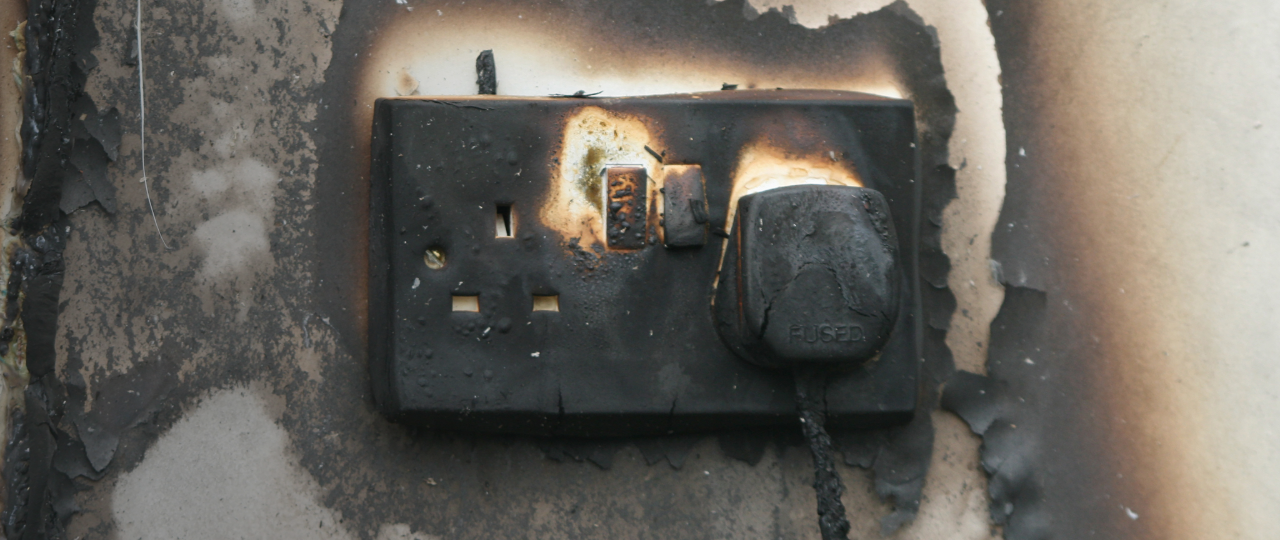
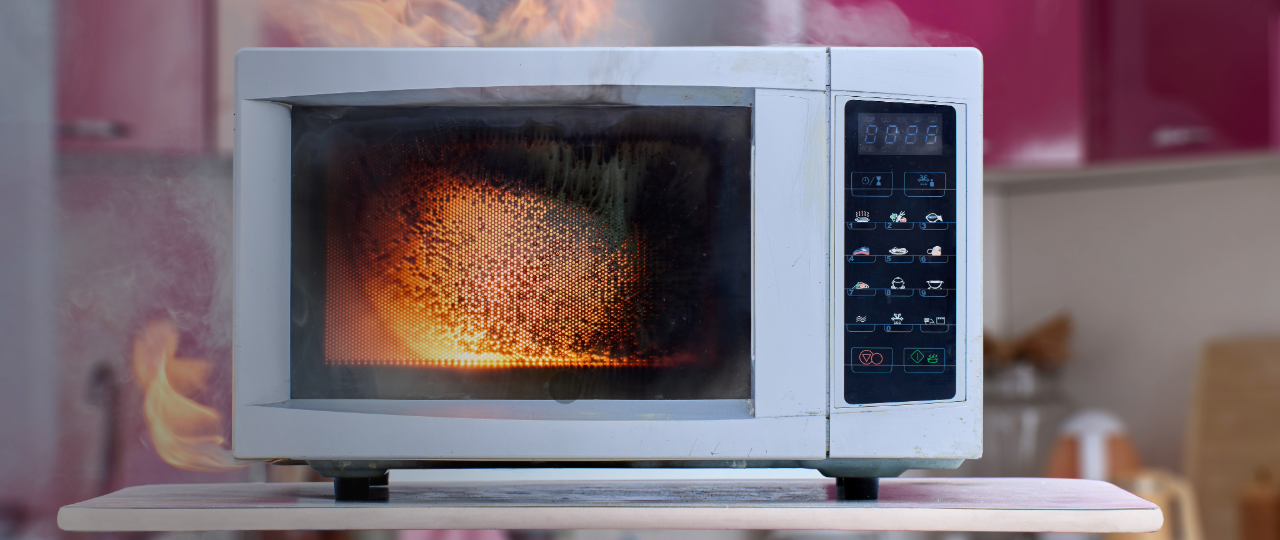
Cooking fires were a recurring theme, but the incidents also included electrical fires, appliance-related fires and even an e-bike fire in a residential garage.
In several cases, a single sprinkler head was enough to control the fire before it could spread to neighbouring rooms or apartments. In one apartment fire, the sprinkler system had already extinguished the cooking fire before firefighters entered the property.
These examples demonstrate why automatic suppression is particularly valuable in residential environments. A fire can develop rapidly while occupants are asleep or otherwise unaware, but a sprinkler system doesn't need someone to discover the fire and raise the alarm before taking action.
Assembly and mercantile premises each accounted for eight of the reported incidents, representing approximately 15% each.
The assembly incidents included a number of restaurant fires, as well as fires at an amphitheatre and other public venues.
One particularly notable incident occurred at a restaurant in Singapore, where sprinklers and a fire curtain activated during a kitchen fire. Around 120 people were evacuated safely. In another restaurant fire, firefighters arrived to find that the automatic sprinkler system had already extinguished the fire.
Mercantile premises included supermarkets, shops and other retail environments.
One fire at a store was deliberately started as part of an arson incident, yet the sprinkler system still activated and helped prevent the fire from spreading further. Elsewhere, a sprinkler system prevented a fire from extending into a multi-tenant strip mall containing three separate businesses.
These incidents highlight an important benefit of sprinklers in public-facing buildings: they can limit a fire while occupants are being evacuated and help prevent a localised incident from becoming a building-wide emergency.
Four of August's reported saves occurred in factory and industrial occupancies.
These included fires at manufacturing facilities and other industrial buildings, with causes including electrical faults and equipment-related incidents.
One particularly striking example came from Avon, Massachusetts, where a single sprinkler head controlled a fire in a large industrial building. Firefighters were able to complete extinguishment after the sprinkler had limited the spread, with damage described as minimal. The company was reportedly back up and running the following day.
This is an excellent illustration of the relationship between fire protection and business continuity.
For an industrial business, preventing a fire from spreading isn't simply about reducing the cost of physical damage. It can mean protecting machinery, stock, production capacity, employees and customer supply chains while dramatically reducing downtime.
Two educational facilities featured among August's sprinkler saves.
At Statesboro High School in Georgia, firefighters credited the sprinkler system with essentially extinguishing the fire before they arrived. No injuries were reported.
Perhaps one of the more unusual incidents occurred at Forest Middle School in Virginia, where a python escaped its enclosure and apparently started a fire in a science room. The sprinkler system helped save the room and prevent the fire from spreading.
While the circumstances are unusual, the underlying lesson is straightforward: fires can start in unexpected ways, and automatic suppression provides protection regardless of the cause.
Four incidents were classified as institutional, including fires in healthcare and care-related settings.
These included a kitchen fire at a rehabilitation facility and a fire in a college dormitory, as well as incidents at a hospital and a correctional facility.
In environments where occupants may require assistance to evacuate, the ability of sprinklers to control a fire quickly is particularly important.
The hospital incident in Panama is especially notable. An explosion during technical testing in a kitchen under construction was immediately controlled by the automatic sprinkler system.
August's reports also demonstrate that sprinkler protection isn't limited to conventional buildings.
Among the more unusual saves were:
These incidents are particularly relevant as new technologies and changing patterns of energy use introduce new fire risks.
Lithium-ion batteries, for example, are increasingly common in homes, workplaces and commercial environments. Their benefits are clear, but fires involving damaged or malfunctioning batteries can present significant challenges. The Toronto incident provides another real-world example of automatic suppression responding when one of these risks materialised.
The 52 reported incidents were distributed across the IFSA's occupancy classifications as follows:
The figures demonstrate the breadth of applications for automatic sprinkler systems. Although residential buildings account for the largest share, almost 60% of the reported August saves occurred outside residential occupancies.
That means the benefits of sprinkler protection extend across virtually every type of built environment.
While the individual incidents vary considerably, there is a remarkably consistent pattern throughout the August reports.
Sprinklers:
Perhaps the most powerful examples are those where one sprinkler head was enough to make the difference.
Fire does not need to become a major incident before sprinklers can demonstrate their value. Their purpose is to intervene while a fire is still manageable.
The August 2026 sprinkler saves add another 52 examples to the growing collection of real-world evidence demonstrating the effectiveness of automatic fire suppression.
From a cooking fire in an apartment to a fire in a large industrial facility, the circumstances may be completely different. The principle remains the same:
Detect the fire early. Control it at its point of origin. Limit the damage. Protect people and property.
These incidents are a useful reminder that automatic sprinklers are not simply a compliance measure. They are an active fire protection system designed to respond when people may not be able to.
And, as the August reports demonstrate, when that protection is properly designed, installed and maintained, it can make an extraordinary difference.
The latest global sprinkler saves reported by the International Fire Suppression Alliance (IFSA) provide another compelling collection of real-world examples demonstrating the effectiveness of automatic fire sprinkler systems.
During August 2026, 52 sprinkler saves were reported across a wide range of occupancies and locations around the world. From apartment buildings and hotels to schools, factories, restaurants and retail premises, the incidents demonstrate that fire risk exists in virtually every environment.
More importantly, the reports repeatedly show the same outcome: when sprinklers are installed, properly maintained and able to respond to a fire, they can control or extinguish it before it becomes a much larger incident.
Residential properties once again represented the largest proportion of the reported saves.
Of the 52 incidents recorded by IFSA, 21 occurred in residential occupancies – around 40% of the total.
The incidents included fires in:
Cooking fires were a recurring theme, but the incidents also included electrical fires, appliance-related fires and even an e-bike fire in a residential garage.
In several cases, a single sprinkler head was enough to control the fire before it could spread to neighbouring rooms or apartments. In one apartment fire, the sprinkler system had already extinguished the cooking fire before firefighters entered the property.
These examples demonstrate why automatic suppression is particularly valuable in residential environments. A fire can develop rapidly while occupants are asleep or otherwise unaware, but a sprinkler system doesn't need someone to discover the fire and raise the alarm before taking action.
Assembly and mercantile premises each accounted for eight of the reported incidents, representing approximately 15% each.
The assembly incidents included a number of restaurant fires, as well as fires at an amphitheatre and other public venues.
One particularly notable incident occurred at a restaurant in Singapore, where sprinklers and a fire curtain activated during a kitchen fire. Around 120 people were evacuated safely. In another restaurant fire, firefighters arrived to find that the automatic sprinkler system had already extinguished the fire.
Mercantile premises included supermarkets, shops and other retail environments.
One fire at a store was deliberately started as part of an arson incident, yet the sprinkler system still activated and helped prevent the fire from spreading further. Elsewhere, a sprinkler system prevented a fire from extending into a multi-tenant strip mall containing three separate businesses.
These incidents highlight an important benefit of sprinklers in public-facing buildings: they can limit a fire while occupants are being evacuated and help prevent a localised incident from becoming a building-wide emergency.
Four of August's reported saves occurred in factory and industrial occupancies.
These included fires at manufacturing facilities and other industrial buildings, with causes including electrical faults and equipment-related incidents.
One particularly striking example came from Avon, Massachusetts, where a single sprinkler head controlled a fire in a large industrial building. Firefighters were able to complete extinguishment after the sprinkler had limited the spread, with damage described as minimal. The company was reportedly back up and running the following day.
This is an excellent illustration of the relationship between fire protection and business continuity.
For an industrial business, preventing a fire from spreading isn't simply about reducing the cost of physical damage. It can mean protecting machinery, stock, production capacity, employees and customer supply chains while dramatically reducing downtime.
Two educational facilities featured among August's sprinkler saves.
At Statesboro High School in Georgia, firefighters credited the sprinkler system with essentially extinguishing the fire before they arrived. No injuries were reported.
Perhaps one of the more unusual incidents occurred at Forest Middle School in Virginia, where a python escaped its enclosure and apparently started a fire in a science room. The sprinkler system helped save the room and prevent the fire from spreading.
While the circumstances are unusual, the underlying lesson is straightforward: fires can start in unexpected ways, and automatic suppression provides protection regardless of the cause.
Four incidents were classified as institutional, including fires in healthcare and care-related settings.
These included a kitchen fire at a rehabilitation facility and a fire in a college dormitory, as well as incidents at a hospital and a correctional facility.
In environments where occupants may require assistance to evacuate, the ability of sprinklers to control a fire quickly is particularly important.
The hospital incident in Panama is especially notable. An explosion during technical testing in a kitchen under construction was immediately controlled by the automatic sprinkler system.
August's reports also demonstrate that sprinkler protection isn't limited to conventional buildings.
Among the more unusual saves were:
These incidents are particularly relevant as new technologies and changing patterns of energy use introduce new fire risks.
Lithium-ion batteries, for example, are increasingly common in homes, workplaces and commercial environments. Their benefits are clear, but fires involving damaged or malfunctioning batteries can present significant challenges. The Toronto incident provides another real-world example of automatic suppression responding when one of these risks materialised.
The 52 reported incidents were distributed across the IFSA's occupancy classifications as follows:
The figures demonstrate the breadth of applications for automatic sprinkler systems. Although residential buildings account for the largest share, almost 60% of the reported August saves occurred outside residential occupancies.
That means the benefits of sprinkler protection extend across virtually every type of built environment.
While the individual incidents vary considerably, there is a remarkably consistent pattern throughout the August reports.
Sprinklers:
Perhaps the most powerful examples are those where one sprinkler head was enough to make the difference.
Fire does not need to become a major incident before sprinklers can demonstrate their value. Their purpose is to intervene while a fire is still manageable.
The August 2026 sprinkler saves add another 52 examples to the growing collection of real-world evidence demonstrating the effectiveness of automatic fire suppression.
From a cooking fire in an apartment to a fire in a large industrial facility, the circumstances may be completely different. The principle remains the same:
Detect the fire early. Control it at its point of origin. Limit the damage. Protect people and property.
These incidents are a useful reminder that automatic sprinklers are not simply a compliance measure. They are an active fire protection system designed to respond when people may not be able to.
And, as the August reports demonstrate, when that protection is properly designed, installed and maintained, it can make an extraordinary difference.





.png)




















.png)


.png)


.png)


.svg)